Show summary Hide summary
- Who is investing and how much money is on the table
- Where the projects will be built and why location matters
- Types of technology getting support
- How the plans affect power grids and communities
- Economic and job impact locally and nationally
- What this means for corporate carbon goals
- Policy and regulatory hurdles
- Timeline and key milestones to watch
- Risks investors and communities should watch
- How this could reshape the energy market
- What analysts and local leaders are saying
Tech industry heavyweights have unveiled a sweeping commitment to accelerate the shift to clean power, pledging large-scale investments in renewable energy, storage, and grid upgrades. The move aims to cut corporate emissions and stabilize energy supplies as demand for cloud services and data centers keeps rising.
Who is investing and how much money is on the table
Several leading companies announced coordinated funding over the next five years. Major contributors include established cloud and hardware firms that depend on uninterrupted power for global operations.
Volkswagen workers reject Audi-Trump alliance: backlash shakes auto industry
Worst car experience you’ve ever had: share your most cringe-worthy auto story
- Billions pledged: The total package exceeds several billion dollars, split between direct investments, power purchase agreements, and innovation funds.
- Public-private mixes: Funds combine corporate capital, utility co-investments, and government incentives.
- Target regions: Investments focus on areas with strained grids and high renewable potential.
Where the projects will be built and why location matters
Site selection favors sunny and windy regions, proximity to data centers, and locations with supportive policy frameworks.
Key site characteristics
- Close access to transmission lines to reduce curtailment.
- Stable permitting environments to speed construction.
- Existing industrial zones where workforce training is feasible.
Types of technology getting support
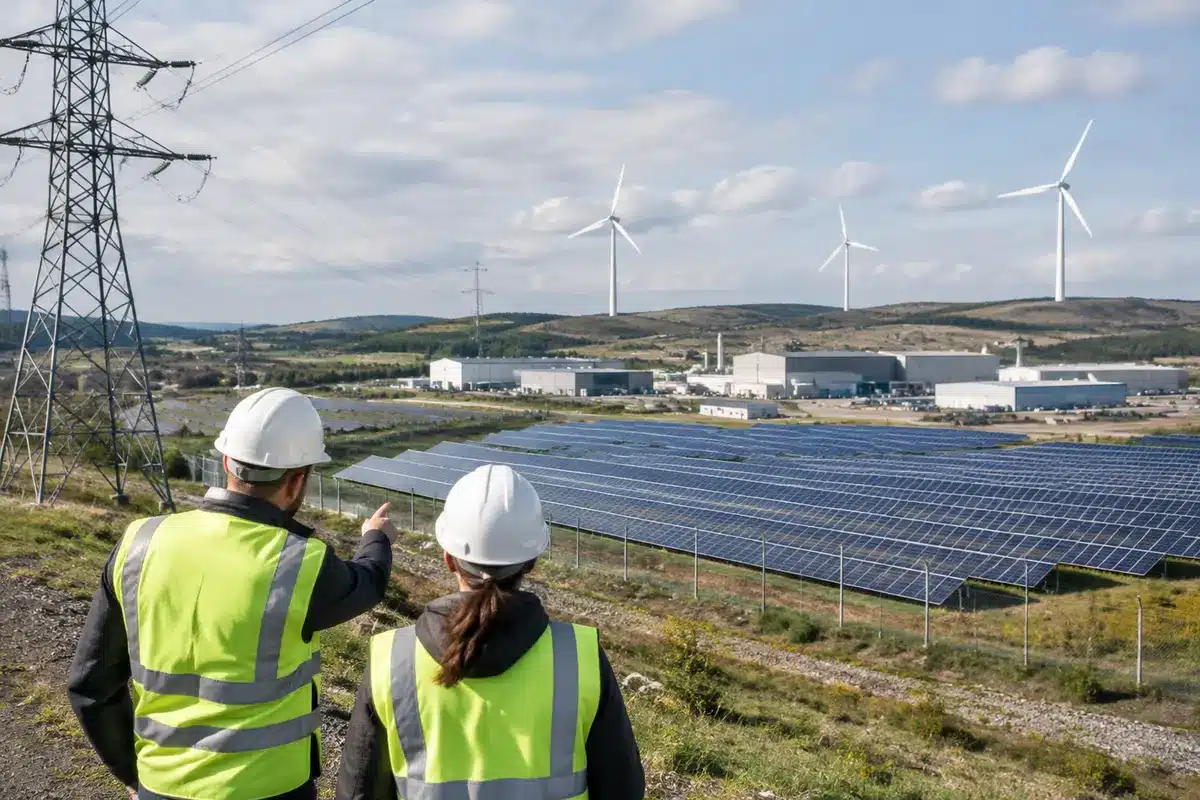
Investment flows into a mix of generation and storage that aims to balance intermittent supply with user demand.
- Solar farms: Large-scale photovoltaic parks to meet daytime loads.
- Onshore wind: Turbine arrays in high-capacity wind corridors.
- Battery storage: Utility-scale batteries to smooth output and back up capacity.
- Microgrids and demand response: Localized control systems to manage peaks.
How the plans affect power grids and communities
Utilities will partner to upgrade transmission and distribution. That work is crucial to integrate new renewable capacity and avoid bottlenecks.
- Grid upgrades will reduce outages near major data hubs.
- Communities may gain jobs in construction and operations.
- Local permitting reforms are expected to speed deployment.
Economic and job impact locally and nationally
Project timelines suggest thousands of temporary construction roles and steady long-term operations positions.
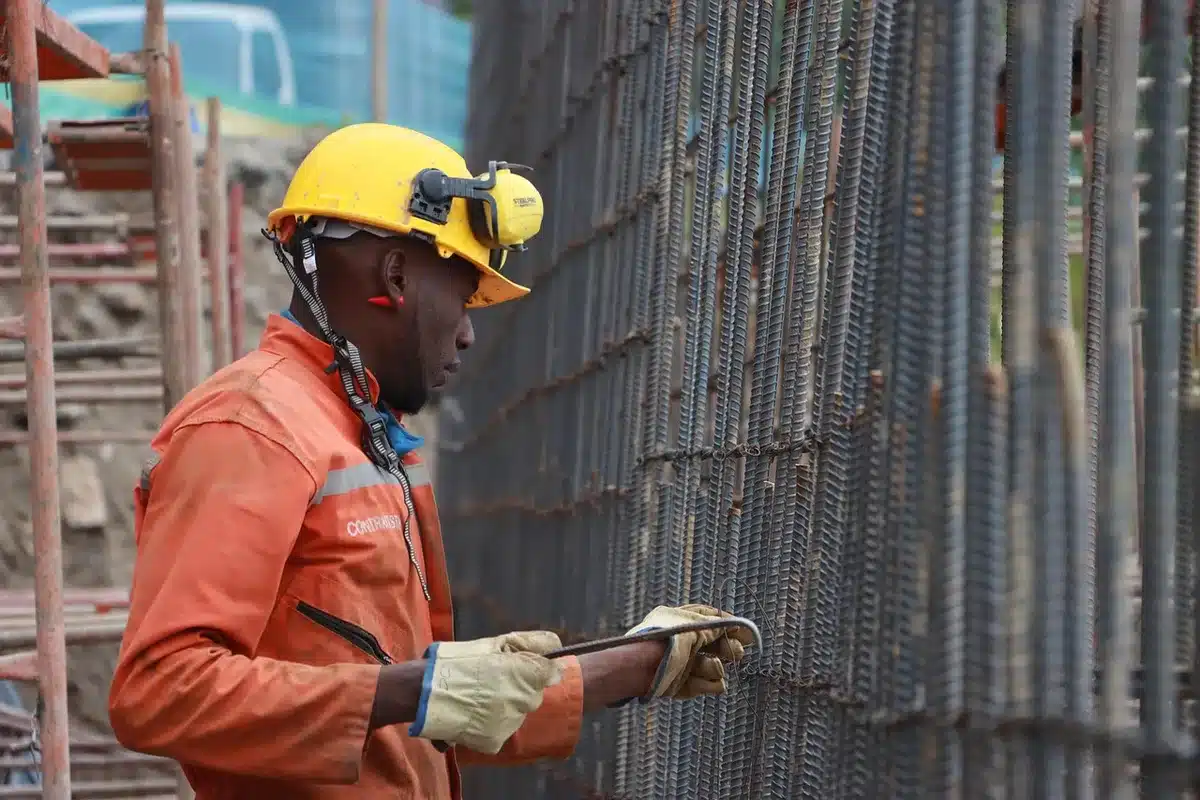
- Short-term hiring for installation, civil work, and logistics.
- Long-term roles in maintenance, energy management, and analytics.
- Potential for local supplier growth and workforce retraining programs.
What this means for corporate carbon goals
Companies tie these investments to aggressive net-zero and renewable procurement targets.
- Direct emissions cuts: On-site and contracted renewables lower scope 2 emissions.
- Offsets and credits: Some funding backs projects that generate verified renewable energy credits.
- Transparency: Firms plan regular reporting to track progress against climate commitments.
Policy and regulatory hurdles
Even large capital commitments face obstacles from zoning rules, interconnection queues, and permitting delays.
- Permitting timelines remain one of the biggest bottlenecks.
- Interconnection queues can delay grid access for months or years.
- Policy incentives could accelerate projects but vary widely by jurisdiction.
Timeline and key milestones to watch
Companies outlined phased rollouts with clear near-term and medium-term objectives.
- Year 1: Finalize purchase agreements and begin permitting.
- Years 2–3: Break ground on major solar and wind installations.
- Years 3–5: Scale battery storage and complete grid upgrades.
Risks investors and communities should watch
Several factors could slow progress or affect returns on investment.
- Construction cost inflation and supply chain risks.
- Changes in policy or incentive programs.
- Community opposition to siting decisions.
How this could reshape the energy market
Large corporate buyers can shift market dynamics by creating steady demand for renewables and storage.
- Improved financing terms for renewable projects as demand rises.
- Faster innovation in storage and grid management tools.
- Stronger signals for utilities to accelerate clean energy planning.
What analysts and local leaders are saying
Energy experts praise the scale, but many call for careful coordination to ensure benefits reach local communities.
- Analysts: Note potential for accelerated decarbonization if projects proceed.
- Local leaders: Focus on job promises and environmental safeguards.
- Utilities: Emphasize the need for clear timelines for interconnection work.