Show summary Hide summary
- What the new battery claims to deliver for electric cars
- How the technology differs from current batteries
- Validation and testing so far
- Industry response and strategic moves
- Challenges to mass adoption
- What drivers and fleet managers should expect
- Timeline to market and availability outlook
- Environmental and economic implications
- Questions experts are still asking
A new battery technology is stirring the electric vehicle market, promising faster charging and longer ranges that could reshape transportation. Automakers and startups are racing to bring a next-generation cell from lab to highway, and today’s reports suggest real progress toward a safer, more efficient power source.
What the new battery claims to deliver for electric cars
Engineers behind the innovation say the cell offers a notable boost in performance. Early demonstrations highlight three core improvements:
Tesla-SpaceX merger hopes crushed: Musk likely lost them after last night’s blue-tomic blast
BMW Alpina 7 Series hits 186 mph: luxury sedan smashes expectations
- Up to 50% more driving range on a single charge compared with common lithium-ion packs.
- Charging times reduced to around 10–15 minutes for an 80% recharge in controlled conditions.
- Better thermal stability, lowering the risk of fires during stress or damage.
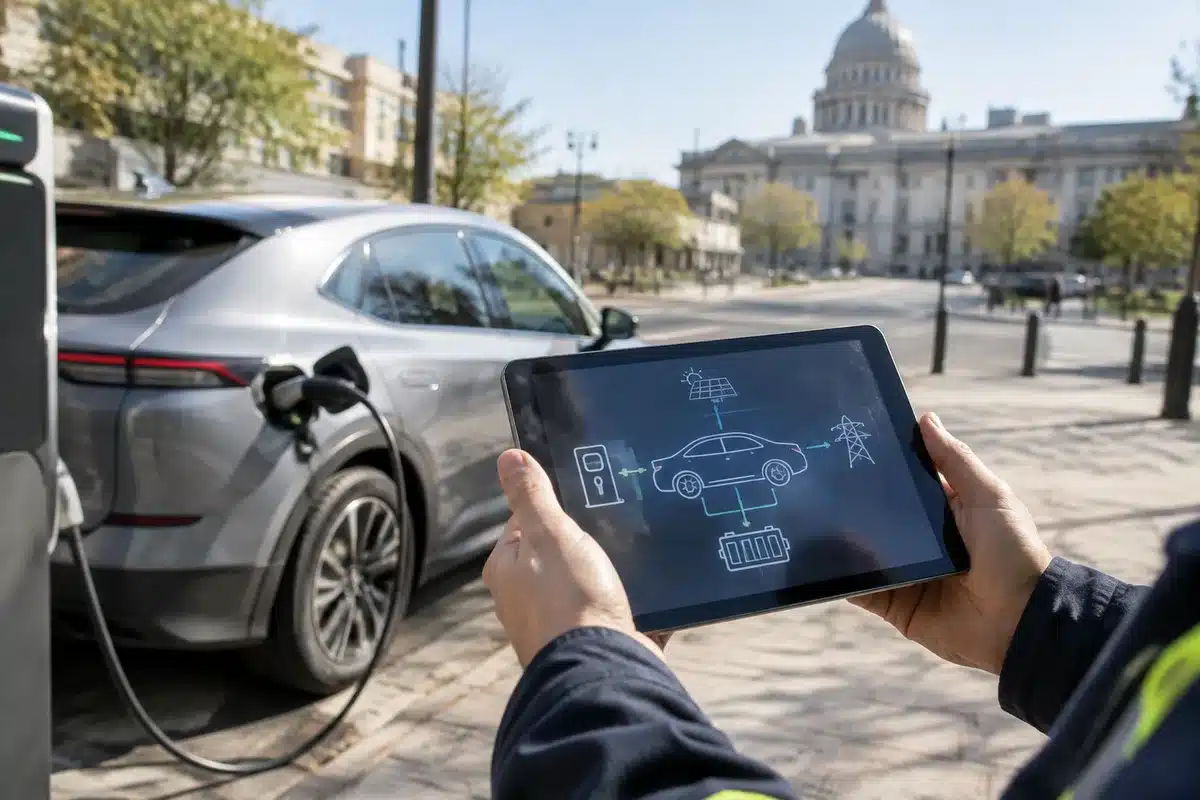
These gains could alter how consumers view EV ownership and reduce reliance on public fast chargers.
How the technology differs from current batteries
Unlike traditional lithium-ion cells, this design uses a modified solid electrolyte and a revised electrode architecture. That combination aims to prevent dendrite growth and improve energy density.
Key technical elements
- Solid electrolyte: Replaces liquid solvents and raises voltage tolerance.
- High-capacity anode: Uses a stabilized metal or alloy blend for more stored energy.
- Layered safety systems: Integrates sensors and fail-safes at the cell level.
Validation and testing so far
Independent labs and industry partners have run multiple cycles on prototype cells. Results show consistent capacity retention after thousands of charging cycles in lab settings.

- Third-party labs confirmed performance numbers under controlled protocols.
- Automotive partners completed limited vehicle integration tests.
- Long-term durability trials are ongoing across varied climates.
While numbers are promising, experts say real-world testing is essential to verify longevity under everyday use.
Industry response and strategic moves
Major automakers, battery suppliers, and investors reacted quickly. Several companies have announced partnerships or pilot programs to evaluate commercial scaling.
- Automakers are planning to test the cells in fleet vehicles and test drivers.
- Suppliers are exploring manufacturing processes to lower costs and increase yield.
- Investors are funding pilot lines to accelerate production readiness.
Market watchers warn that supply-chain hurdles and certification processes will shape how fast deployment happens.
Challenges to mass adoption
Moving from lab success to mass production is rarely smooth. Several obstacles remain before drivers see these cells widely available.
- Scaling manufacturing without quality loss is complex and costly.
- Raw material sourcing must be reliable and sustainable.
- Regulatory certification and crash safety testing take time.
- Integrating new cells into existing vehicle platforms can require redesigns.
What drivers and fleet managers should expect
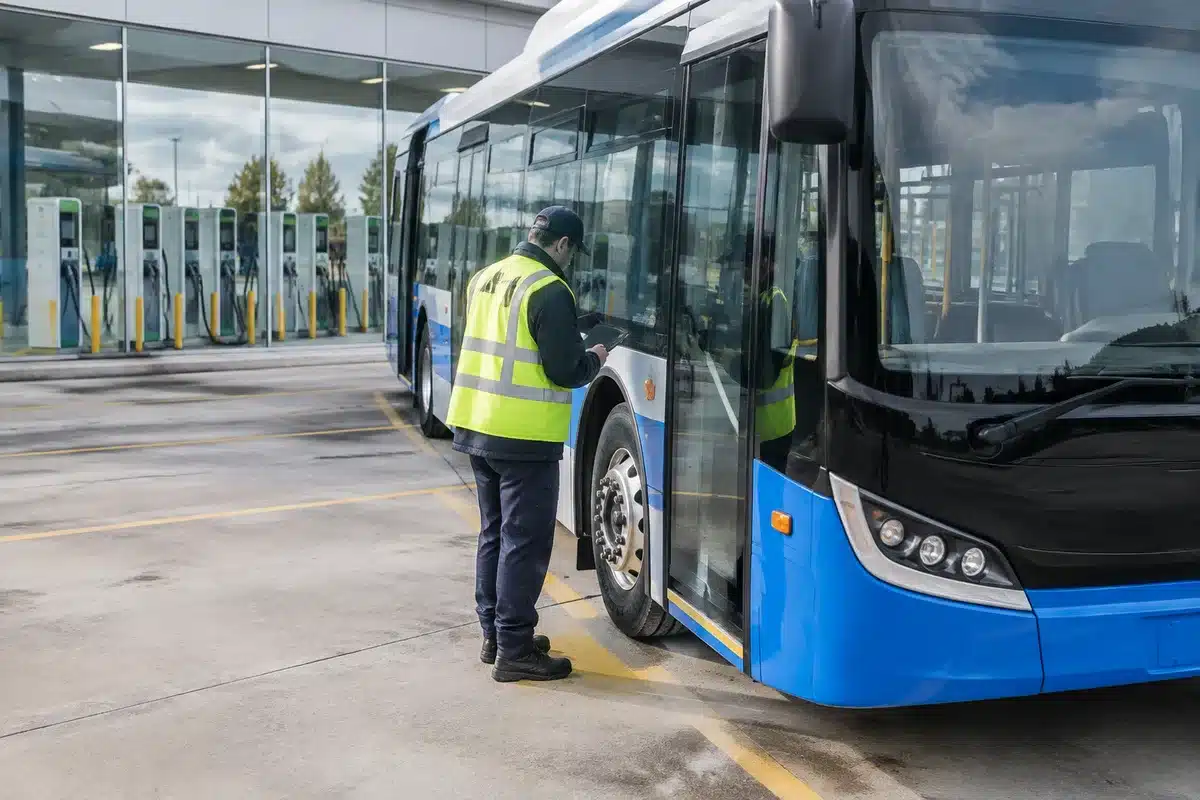
For consumers, the shift could mean shorter charging stops and longer trips between charges. Fleets may gain operational flexibility and lower downtime.
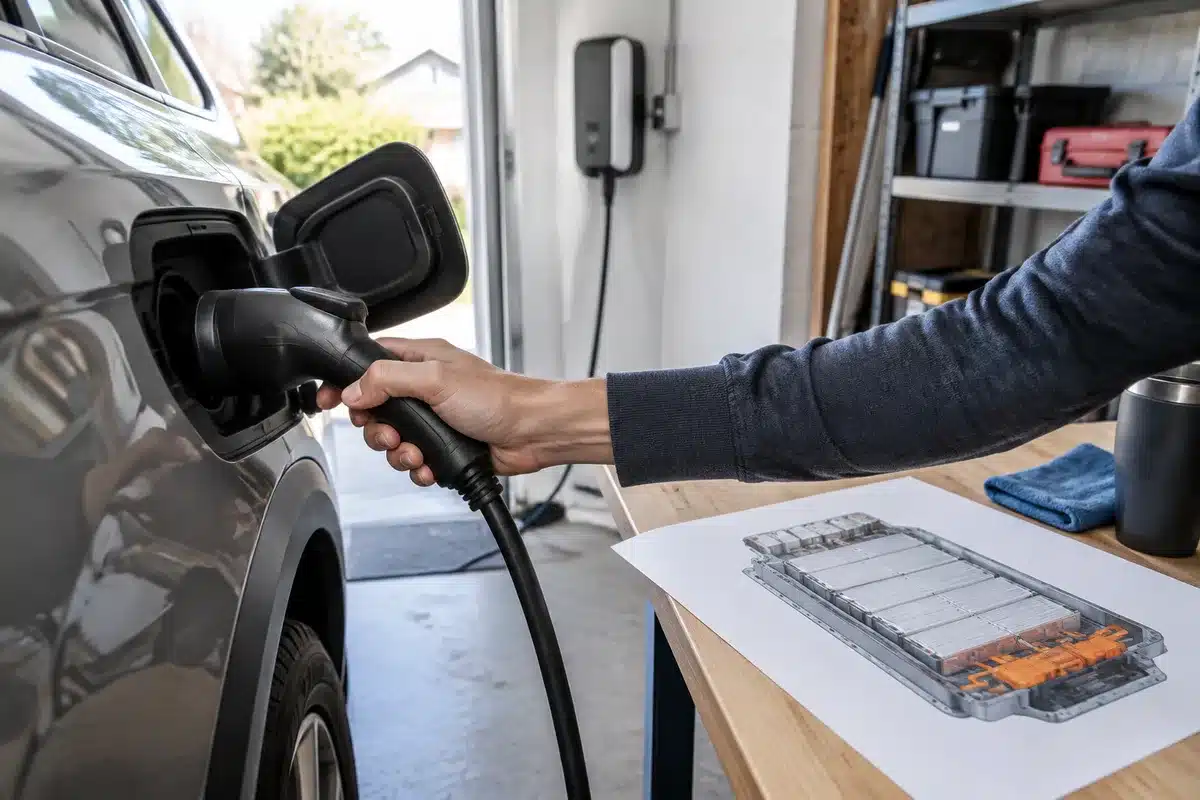
- Home charging behavior may change as recharge windows shrink.
- Public charger demand could shift toward higher-throughput stations.
- Maintenance protocols may adapt to new battery diagnostics and sensors.
Early adopters will likely be commercial fleets and premium EV buyers before broader rollout.
Timeline to market and availability outlook
Companies involved outline phased commercialization plans. Initial pilot production could begin within 12–24 months, while wide availability may take longer.
- Pilot deployments: 12–24 months.
- Scaled production: 24–48 months, contingent on funding and supply chains.
- Mass-market models: could follow once certification and costs align.
Industry analysts emphasize that timelines depend on successful scale-up and regulatory approvals.
Environmental and economic implications
If the technology meets expectations, the environmental impact could be significant. Increased efficiency reduces energy demand per mile and may lower lifecycle emissions.
- Higher energy density can shrink pack size and raw material needs.
- Longer lifespan reduces waste and replacement frequency.
- Faster charging may increase electricity demand during peak hours.
Policymakers and utilities will need to adapt to changing consumption patterns.
Questions experts are still asking
Researchers continue to probe critical unknowns. Real-world degradation patterns, repairability, and recycling pathways all require deeper study.
- How will cells behave after years in diverse climates?
- What is the true cost per kilowatt-hour at scale?
- Can recycling systems be adapted to newer chemistries?
Transparency from developers on testing methods will be crucial for public trust and regulatory approval.