
Show summary Hide summary
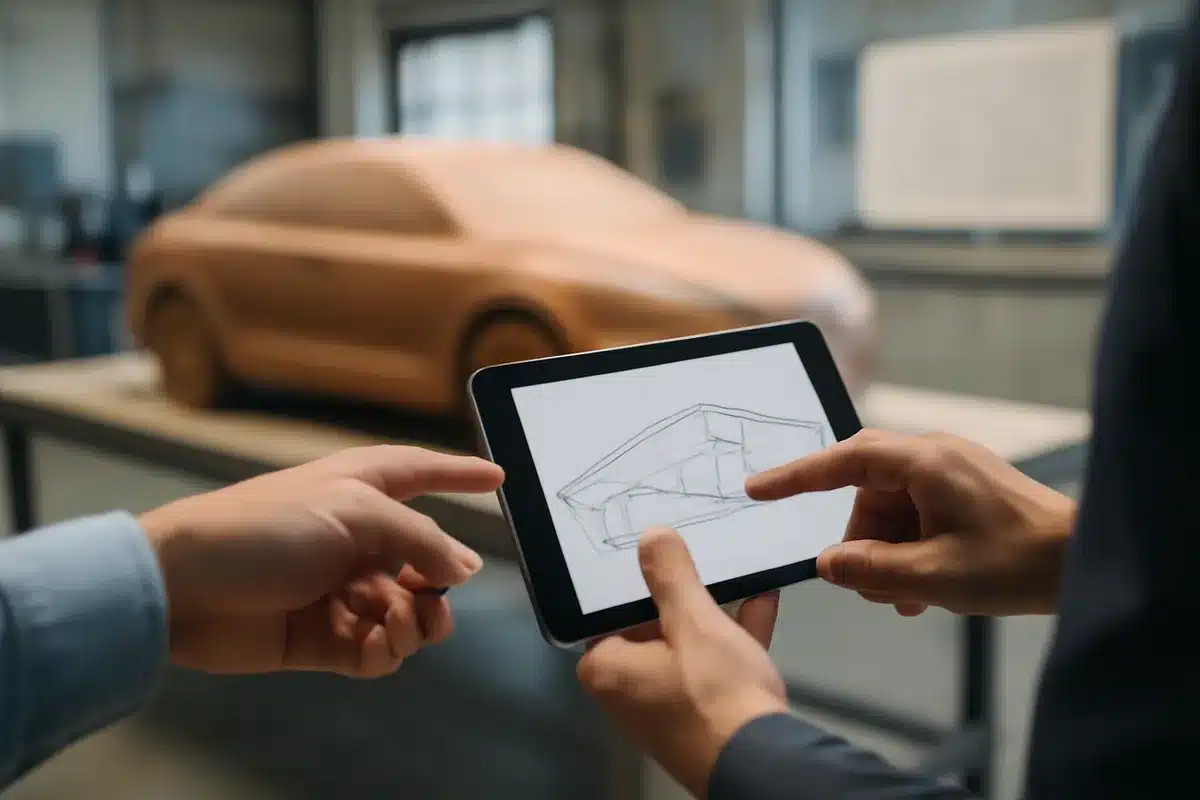
China’s carmakers are rewriting the rules of vehicle development. Thanks to generative AI and streamlined digital tools, new models now roll from concept to showroom far faster than before. That speed thrills consumers and investors, but it has also alarmed regulators and some industry leaders who worry that safety and durability testing could be shortchanged.
How AI is shaving months off car development
Phone location data can incriminate you after a crash: police may not even notice
Insured driver ticketed after Flock camera falsely flagged no insurance
Automotive firms in China already move quickly. Typical development cycles sit near two years. Western rivals often take three to five years.
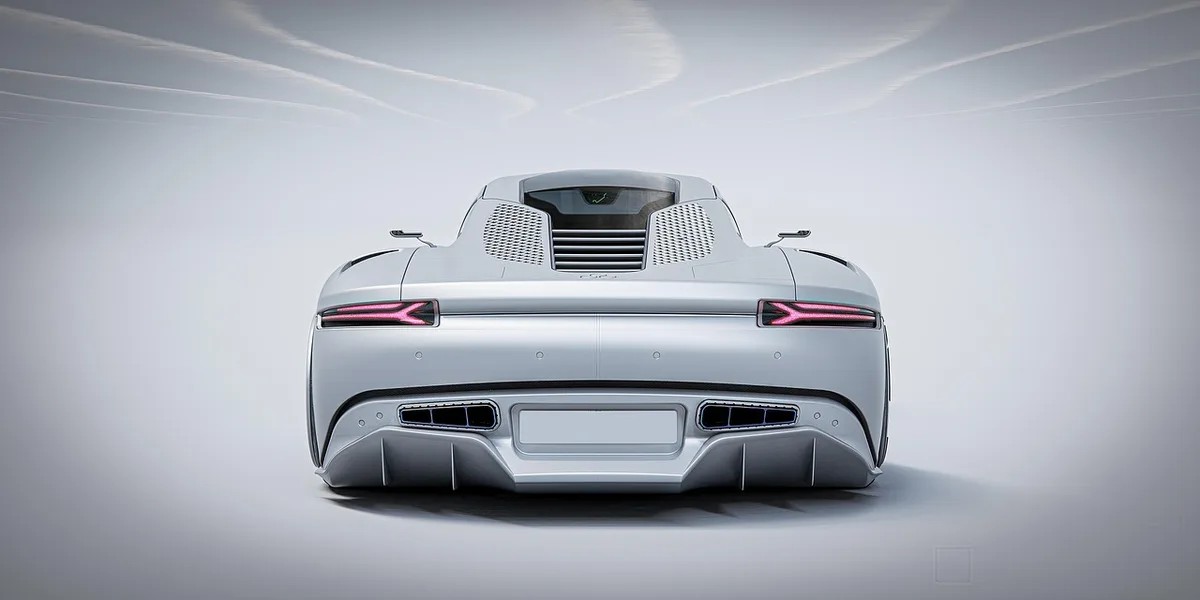
Industry groups such as IAT Automobile Technology and the China Association of Automobile Manufacturers say AI could cut that Chinese benchmark further — to about 18 months, Bloomberg reports. AI speeds tasks like simulation, parts validation and design iteration.
This combination of algorithms and cloud computing is letting engineers compress what once took months into days.
Foreign brands tapping Chinese processes to keep pace
The acceleration isn’t just a local advantage. Global automakers are borrowing the playbook.
- Renault developed a new electric Twingo variant from design to launch in roughly 21 months.
- Volkswagen collaborated with Xpeng on the ID.UNYX 08, which reached market in about 24 months.
Those examples show that rapid development models can scale and attract multinational partnerships. But they also raise questions about whether speed translates into long-term reliability.
Regulators step in as accidents prompt tougher rules
Chinese authorities have tightened rules after a string of safety incidents. Regulators targeted batteries, driver-assistance systems and even door-handle designs.
A year-long safety campaign now includes unannounced factory inspections. Proposed regulations would double mandatory road testing for new-energy vehicles to 30,000 km (about 18,600 miles), Bloomberg says.
Policymakers argue that some kinds of physical testing cannot be safely compressed, no matter how advanced the simulations.
Industry leaders warn against cutting crucial tests
Some executives acknowledge the risks of rushing car programs. Chery’s vice-president Li Xueyong warned on social media that certain development steps can’t be skipped. He emphasized the need to validate vehicles for diverse climates and road conditions worldwide.
At the same time, Geely chair Li Shufu told Chinese media that asking firms to slow their pace may be unrealistic when competition is intense and margins are tight.
- Consumer demand drives frequent model upgrades.
- Profit pressure forces companies to shorten cycles to protect market share.
Where AI helps — and where real-world miles still matter
AI offers clear gains in digital workstreams. It excels at:

- Simulating crash and fatigue scenarios.
- Validating thousands of electronic components.
- Speeding design iterations and software calibration.
Yet experts caution that physical durability and human-driven edge cases require miles on the road. Tests for wear, corrosion, and unpredictable user behavior remain reliant on long-term, real-world exposure.
Striking the balance between speed and safety
Automakers now face a strategic choice. They must decide which processes can be entrusted to AI and which demand traditional testing.
- Use AI to cut repetitive, data-heavy tasks.
- Keep extended on-road trials for structural integrity and field reliability.
- Allow regulators’ new inspections and longer road tests to guide acceptable trade-offs.
The next battleground in auto development will be proving where months can be safely saved, and where extra miles are non-negotiable.