

Show summary Hide summary
- What Google Discover and Google News look for
- Craft headlines that attract and perform
- Optimize visuals to boost Discover placements
- Structure pages for speed, clarity, and indexing
- Leverage structured data and metadata
- Editorial practices that build trust and authority
- Audience signals and content personalization
- Measure performance and iterate quickly
- Common pitfalls that harm visibility
- Workflow tips for editorial teams
- Technical checks before publishing
- How to respond when traffic patterns change
Publishers and creators chasing visibility on Google Discover and Google News face constant changes. Small shifts in headline wording, image choice, or page speed can send traffic spiking—or sinking. This guide walks through practical steps publishers can take to improve discoverability and stay resilient amid algorithm updates.
What Google Discover and Google News look for
Phone location data can incriminate you after a crash: police may not even notice
Insured driver ticketed after Flock camera falsely flagged no insurance
Both platforms surface content differently. Google News focuses on timeliness and authoritative reporting. Google Discover favors relevance to a user’s interests and strong visuals.
- Relevance: Content must align with topical interests and recent activity.
- Authority: Signals like author reputation and site trust matter more for News.
- Engagement: Click-through rates and user interactions influence Discover visibility.
Craft headlines that attract and perform
Headlines are the gateway to clicks. Write clear, concise headlines that promise value without sounding clickbaity.
Headline best practices
- Keep it under 70 characters for search display.
- Include a primary keyword early, naturally.
- Use active verbs and specific nouns.
- Avoid sensational punctuation or vague phrasing.
Optimize visuals to boost Discover placements
Images carry weight on Discover. High-quality visuals increase the chance your story appears in feeds.
- Use images at least 1200 px wide for optimal rendering.
- Prefer clear, relevant photos over abstract graphics.
- Choose images that work on mobile, with centered focal points.
- Include descriptive alt text that contains natural keywords.
Structure pages for speed, clarity, and indexing
Page performance affects both user experience and ranking signals. A fast, readable article wins attention.
- Improve load time by compressing images and deferring noncritical JavaScript.
- Use clean DOM structure and semantic tags for easier indexing.
- Place core content high on the page to reduce scroll depth.
- Implement AMP or ensure mobile-first performance where necessary.
Leverage structured data and metadata
Implementing schema and correct meta tags helps Google interpret your content. That clarity can unlock special features.
- Use Article or NewsArticle schema for news items.
- Set Open Graph and Twitter Card tags for consistent social previews.
- Include published and updated times for timeliness signals.
- Ensure canonical tags point to the preferred version of the content.
Editorial practices that build trust and authority
Google News values transparency, authorship, and sourcing. Solid editorial standards increase the chance of inclusion.
- Display author bios and contact information.
- Cite reputable sources and link to original documents.
- Correct errors openly and mark updates with timestamps.
- Maintain a consistent publishing cadence to signal reliability.
Audience signals and content personalization
Discover tailors stories to user interests. Understanding your audience helps craft content that aligns with those signals.
- Analyze search queries and referral data to identify trending topics.
- Use personalization cues like user location and prior engagement.
- Test different angles on the same topic to see which resonates.
Measure performance and iterate quickly
Track the right metrics to know what’s working. Combine Search Console data with on-site analytics.
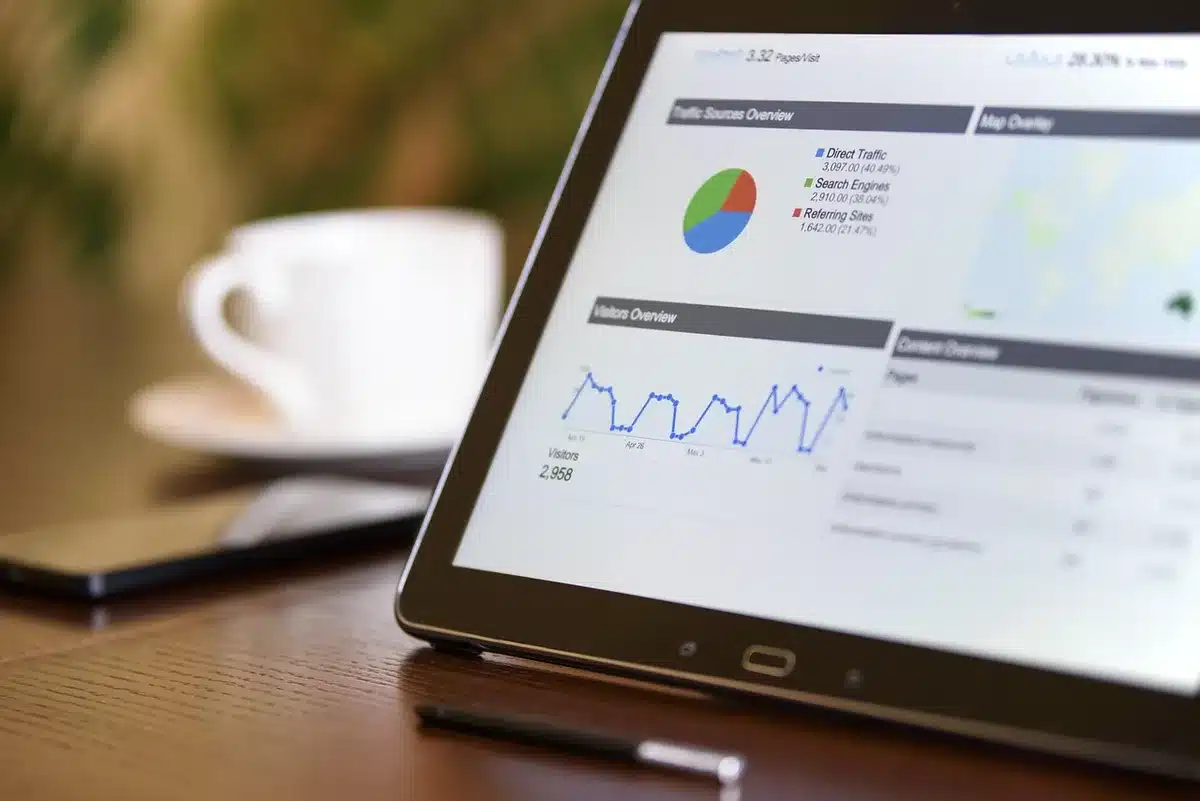
- Monitor impressions and click-through rates for Discover impressions.
- Track session duration and bounce rate for on-page engagement.
- Use A/B testing for headlines and hero images.
- Plan rapid follow-ups for stories that show early traction.
Common pitfalls that harm visibility
Some issues repeatedly block discovery. Address these to avoid wasted effort.
- Poor mobile optimization undermines both Discover and News.
- Thin content provides little value and reduces dwell time.
- Over-optimization or keyword stuffing can trigger penalties.
- Missing or incorrect structured data hides content from special displays.
Workflow tips for editorial teams
Small process changes can yield big gains in discoverability and engagement.
- Create headline and image playbooks for consistent assets.
- Run quick pre-publish checks for core SEO and schema.
- Keep a shortlist of evergreen topics that perform on Discover.
- Coordinate rapid updates when a story evolves or breaks.
Technical checks before publishing
Run this checklist to reduce technical barriers to indexing and display.
- Robots.txt allows crawling of the article.
- Page returns a 200 HTTP status code and correct canonical.
- Structured data validates in Google’s testing tools.
- Images are properly sized and use descriptive file names.
How to respond when traffic patterns change
Traffic dips are an opportunity to diagnose and improve. React quickly and methodically.
- Compare affected pages to recent high-performers.
- Audit changes to headlines, images, and markup.
- Revisit site speed and mobile rendering metrics.
- Adjust promotion strategy across social and email to regain momentum.