
Show summary Hide summary
- What the breakthrough claims to deliver for renewable energy and EVs
- How the new cell differs from today’s lithium-ion batteries
- Why faster charging matters for consumer adoption
- Potential impact on the electricity grid and renewable integration
- Industry response and early partnerships
- Regulatory, supply chain, and manufacturing hurdles
- What independent tests will focus on
- Timeline to market and realistic expectations
- Environmental and economic implications
- Voices from the research team and external experts
- Early adopters and pilot use cases to watch
- Signs to watch that confirm real-world readiness
A new energy story is unfolding that could change how we power cars, homes, and industry. Researchers announced a battery innovation that promises much faster charging, longer life cycles, and a lower cost per kilowatt-hour. The claim has sparked interest from automakers, utilities, and investors, and it could accelerate the shift to cleaner electricity.
What the breakthrough claims to deliver for renewable energy and EVs
Red Bull junior team snaps up Kimi Räikkönen’s 11-year-old son after fierce bidding war
Three guys in cars TV gap finally filled: new series revives beloved format
The team behind the development says the battery offers big gains in three areas. First is charging speed. Second is longevity under heavy use. Third is adaptability for grid storage and electric vehicles. If true, these improvements would reduce range anxiety and enable wider use of intermittent renewables.
- Fast charging: full charge times cut dramatically.
- Durability: thousands of cycles with minimal capacity loss.
- Scalability: suitable for rooftop systems and utility-scale arrays.
How the new cell differs from today’s lithium-ion batteries
The innovation centers on a revised cell architecture and a new electrode material. Unlike many lab demos, this design focuses on manufacturability. The researchers emphasize that the change is as much about processes as it is about chemistry.
Key technical shifts
- Alternative anode or cathode formulations to reduce dendrite formation.
- Electrolyte additives that improve stability at high charge rates.
- Manufacturing tweaks to enable faster assembly at scale.
Why faster charging matters for consumer adoption
Charging speed is a psychological and practical hurdle for drivers. Long waits make daily life harder and complicate long trips. Faster charging would change charging behavior and reduce demand for dense charging infrastructure.
- Shorter stops at public chargers.
- More predictable planning for long journeys.
- Lower need for very large battery packs in vehicles.
Potential impact on the electricity grid and renewable integration
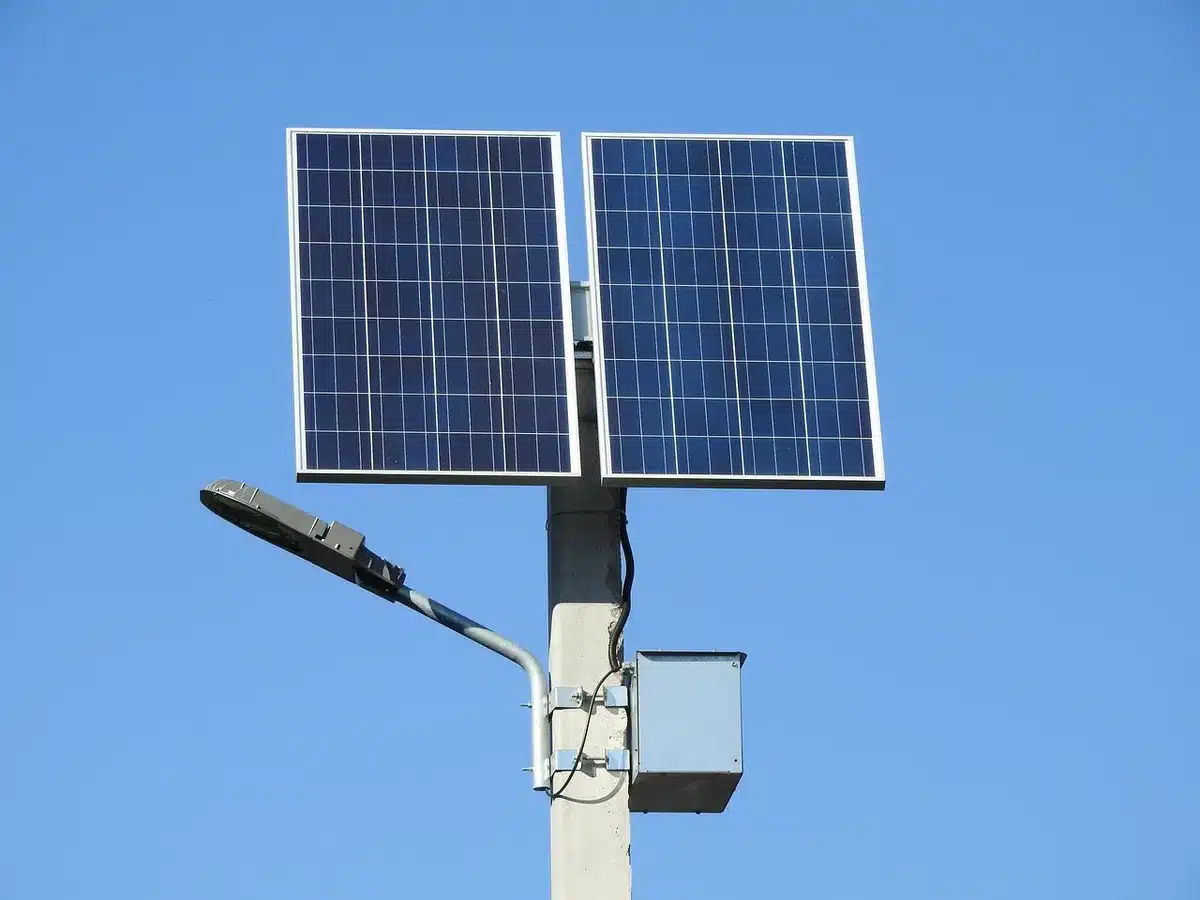
Storage that can charge quickly and endure many cycles is valuable for balancing wind and solar. It can soak up excess generation during midday and release power in the evening. Utilities could use these batteries for frequency response and peak shaving.
- Improved grid flexibility during supply swings.
- Reduced curtailment of wind and solar farms.
- New revenue streams from ancillary services.
Industry response and early partnerships
Automakers, battery makers, and energy companies have already shown interest. Several pilot projects are being discussed. Investors are probing commercialization timelines and potential returns.
What partners want to see
- Independent validation of performance claims.
- Clear paths to mass production and supply security.
- Cost projections that beat incumbent technologies.
Regulatory, supply chain, and manufacturing hurdles
Even promising technologies face real-world obstacles. Scaling production requires raw materials, new manufacturing lines, and regulatory approvals. Environmental and safety standards will also shape rollout speed.
- Securing critical minerals and avoiding bottlenecks.
- Reconfiguring factories for novel cell formats.
- Passing safety and performance certifications.
What independent tests will focus on
Third-party labs will verify energy density, cycle life, thermal behavior, and degradation patterns. They will also test performance under fast-charging stress and real-world driving cycles.
- Energy retention after repeated fast charges.
- Thermal runaway risk under extreme conditions.
- Performance across temperature ranges.
Timeline to market and realistic expectations
Researchers say pilot production could begin within months for niche applications. Mass adoption will likely take years. Early deployments may target commercial fleets and grid projects before consumer vehicles.
- Pilot systems for fleet use: near-term.
- Utility-scale installations: short to mid term.
- Widespread EV adoption using the tech: mid to long term.
Environmental and economic implications
Faster, longer-lasting batteries could lower lifetime emissions by making renewables more reliable. They could also reduce the overall resource intensity per stored kilowatt-hour. Still, lifecycle analysis is necessary to quantify benefits.
- Reduced need for fossil-fuel peaker plants.
- Potentially lower total material use per unit of storage.
- New recycling demands for novel chemistries.
Voices from the research team and external experts
Team leads highlight practical engineering advances rather than exotic breakthroughs. Independent analysts urge caution and call for open data. Both sides agree on the potential to accelerate decarbonization if the results hold up.
- Researchers: focus on manufacturability and safety.
- Analysts: demand reproducible test results.
- Industry: looking for predictable cost curves.
Early adopters and pilot use cases to watch
Commercial fleets and grid operators often pilot new storage tech first. Their operational needs reveal performance gaps faster than consumer trials. Monitor announcements from logistics companies and utilities for the earliest deployments.
- Delivery fleets seeking faster turnaround times.
- Microgrids pairing storage with local renewables.
- Data centers exploring backup power solutions.
Signs to watch that confirm real-world readiness
Keep an eye on independent certifications, multi-site deployments, and transparent cost breakdowns. Publicly funded trials and peer-reviewed publications will add credibility. Early supply agreements with established manufacturers are strong signals.
- Third-party validation reports.
- Signed contracts with OEMs or utilities.
- Published production roadmaps and CAPEX projections.