
Show summary Hide summary
- Why electric car demand is climbing so fast
- Where charging falls short: gaps in infrastructure
- How utilities and cities are responding
- Automakers, fleets, and the race to standardize
- Practical steps for drivers planning the switch
- Policy moves that could accelerate access
- What to watch next in the EV transition
Electric vehicles are selling faster than many cities and highways can adapt. Buyers keep choosing EVs for savings and tech. Charging networks and grid upgrades race to catch up. This shift is changing how we commute, how utilities plan, and how automakers build cars.
Why electric car demand is climbing so fast
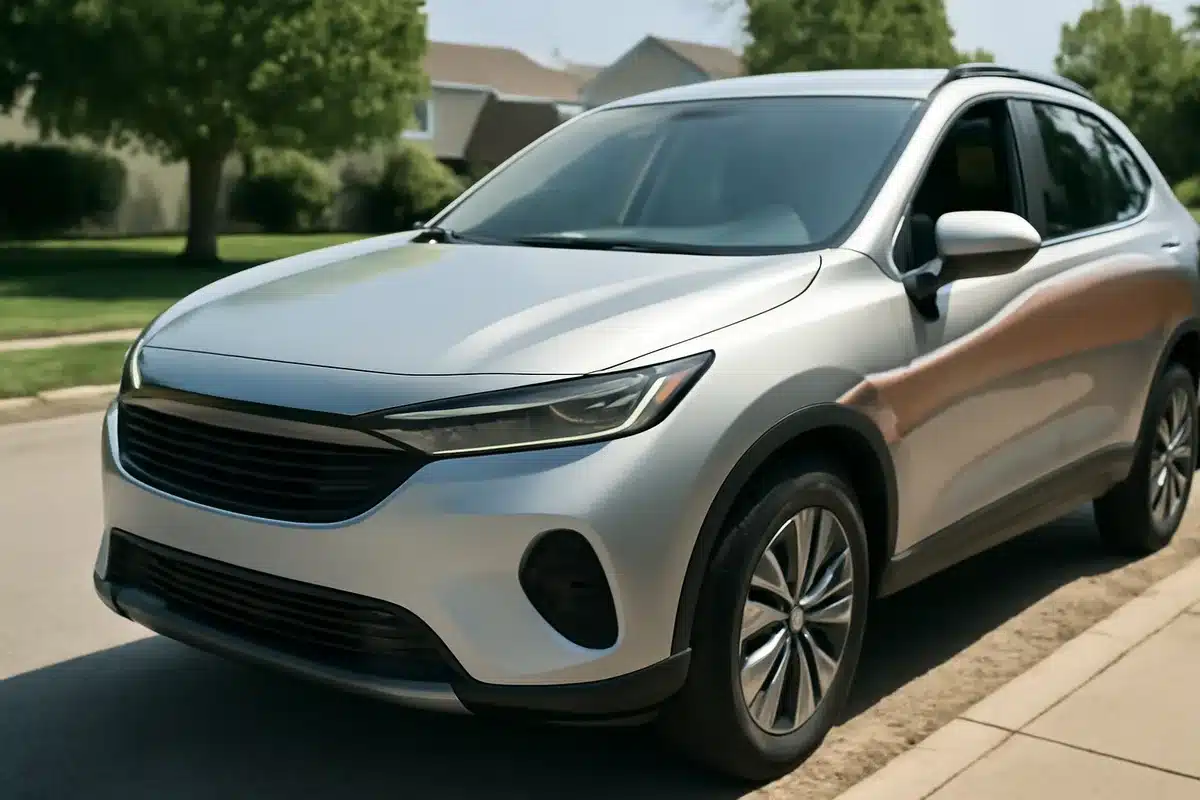
Hyundai Kona goes mainstream: ditches weird look for conventional crossover
Hyundai’s new Pleos Connect infotainment: high-tech that still makes sense
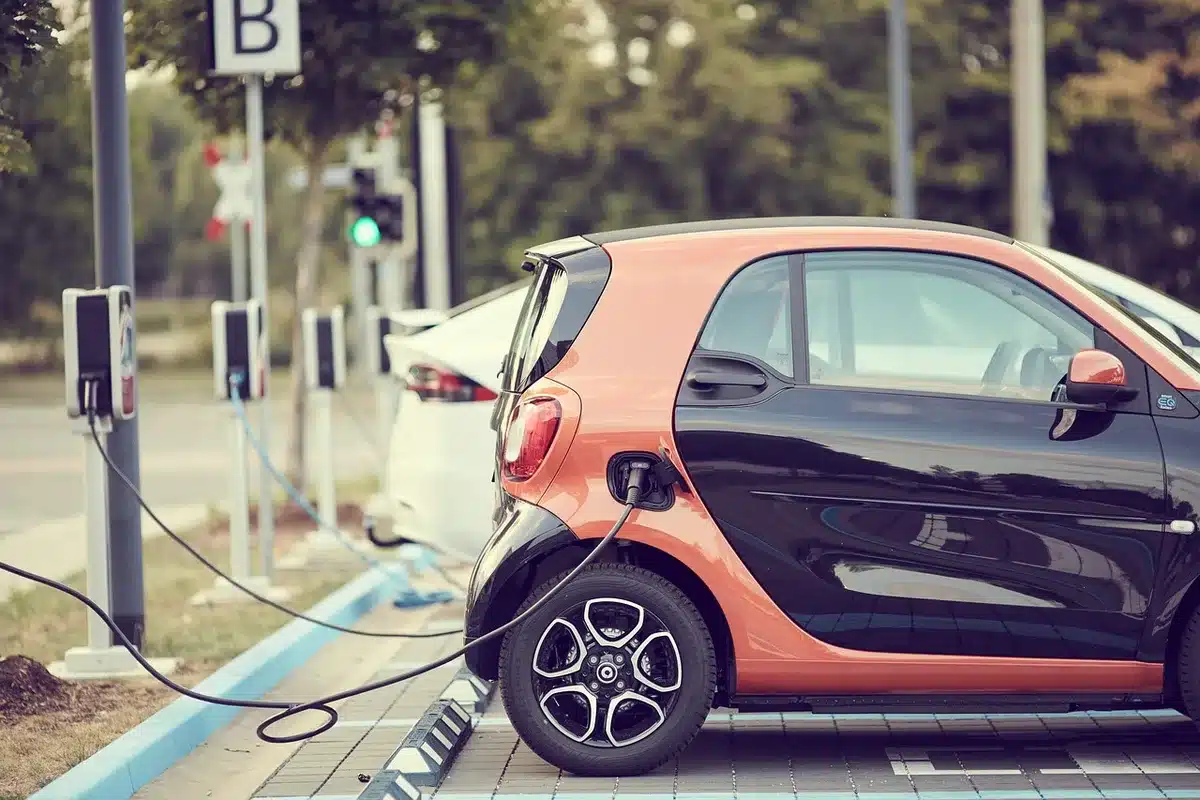
Several forces are pushing people toward EVs. Lower battery costs, longer ranges, and more models make electric choices practical. Governments offer incentives that reduce upfront prices. Automakers also market EVs as smarter and cleaner.
- Battery prices have fallen, improving cost parity with gasoline cars.
- New models offer 200+ miles of range, easing range anxiety.
- Urban clean-air rules and subsidies make EVs attractive.
Drivers cite lower operating costs and better performance as top reasons to switch. Younger buyers also prefer cars that pair with apps and smart systems.
Where charging falls short: gaps in infrastructure
Charging stations are growing, but many communities still lack reliable access. Rural areas and older apartment buildings remain underserved. Fast chargers cluster near highways and cities, leaving thousands of drivers with few options.
- Public fast chargers are unevenly distributed.
- Residential access is limited for renters and apartment residents.
- Grid constraints can delay new charger installations.
Range anxiety now overlaps with access anxiety for those without a home charger. That affects adoption in denser and lower-income neighborhoods.
Types of chargers and where they fit
- Level 1: Slow home charging via a standard outlet.
- Level 2: Faster home or workplace charging, common in residential upgrades.
- DC fast chargers: Best for highway stops and short wait times.

How utilities and cities are responding
Utilities see charging demand as both a challenge and an opportunity. Smart charging can shift demand away from peak hours. Cities plan investments to add chargers to public parking, curb lanes, and transit hubs.
- Grid upgrades and storage installations are under study in many regions.
- Time-of-use pricing encourages off-peak charging.
- Public-private partnerships speed deployment of fast chargers.
Coordinated planning between utilities, governments, and vendors is critical to avoid bottlenecks and high costs.
Automakers, fleets, and the race to standardize
Manufacturers are expanding EV lineups and investing in their own charging networks. Fleet electrification is another key driver. Delivery and ride-hail companies are testing mass transitions to electric vans and cars.
- Automakers offer integrated apps to locate chargers and plan routes.
- Fleets need depot charging and reliable uptime solutions.
- Interoperability across networks remains a priority.
Standard protocols and payment systems reduce friction for drivers and fleet managers alike.
Practical steps for drivers planning the switch
Potential buyers can take concrete actions to avoid surprises. Planning ahead reduces frustration and improves the ownership experience.
- Assess daily driving needs and choose range accordingly.
- Explore home charging options with landlords or building managers.
- Check local incentive programs and tax credits.
- Use apps to map chargers and real-time availability.
- Prefer vehicles compatible with fast-charging standards in your region.
Simple planning often makes EV ownership easier and cheaper than many expect.
Policy moves that could accelerate access
Policymakers are focused on affordability, equity, and grid readiness. Funding for public chargers, building codes that require EV wiring, and incentives for low-income buyers are common measures.
- Grants for public charging in underserved areas.
- Building requirements for future-proof wiring in new homes.
- Programs to electrify transit and municipal fleets.
Policy alignment at local and national levels helps ensure charging grows where demand is rising most.
What to watch next in the EV transition
Key indicators include charger density trends, utility pilot outcomes, and automaker rollouts. Advances in battery tech and second-life battery markets will also shape costs and recycling.
- New fast-charging corridors and urban deployments.
- Electric fleet adoption among delivery and transit services.
- Battery innovations that reduce cost and speed up charging.
Keeping an eye on these signals helps consumers and planners make smarter decisions.