Show summary Hide summary
- Why optimizing for Discover, News, and Search matters
- Craft headlines that attract clicks and match intent
- Write content that performs: clarity, structure, and credibility
- Optimize metadata and technical signals
- Images, video, and visual assets that boost discovery
- Mobile performance and page experience
- Trust signals: E-A-T and author transparency
- Timing, frequency, and topical relevance
- Promotion, analytics, and testing for continuous improvement
- Editorial workflows and quality control
- Practical checklist before you hit publish
Getting consistent visibility across Google Discover, Google News, and Search means balancing clear reporting with technical polish. Editors and creators must write for people first, while tuning headlines, metadata, and page speed to match each platform’s signals. Below are practical steps and tactics to help stories break through on all three surfaces.
Why optimizing for Discover, News, and Search matters
Each Google surface rewards different signals. Search values relevance and authority. Google News favors timely, original reporting. Discover surfaces content based on personal interest patterns. Optimizing for all three increases reach, referral traffic, and reader retention.
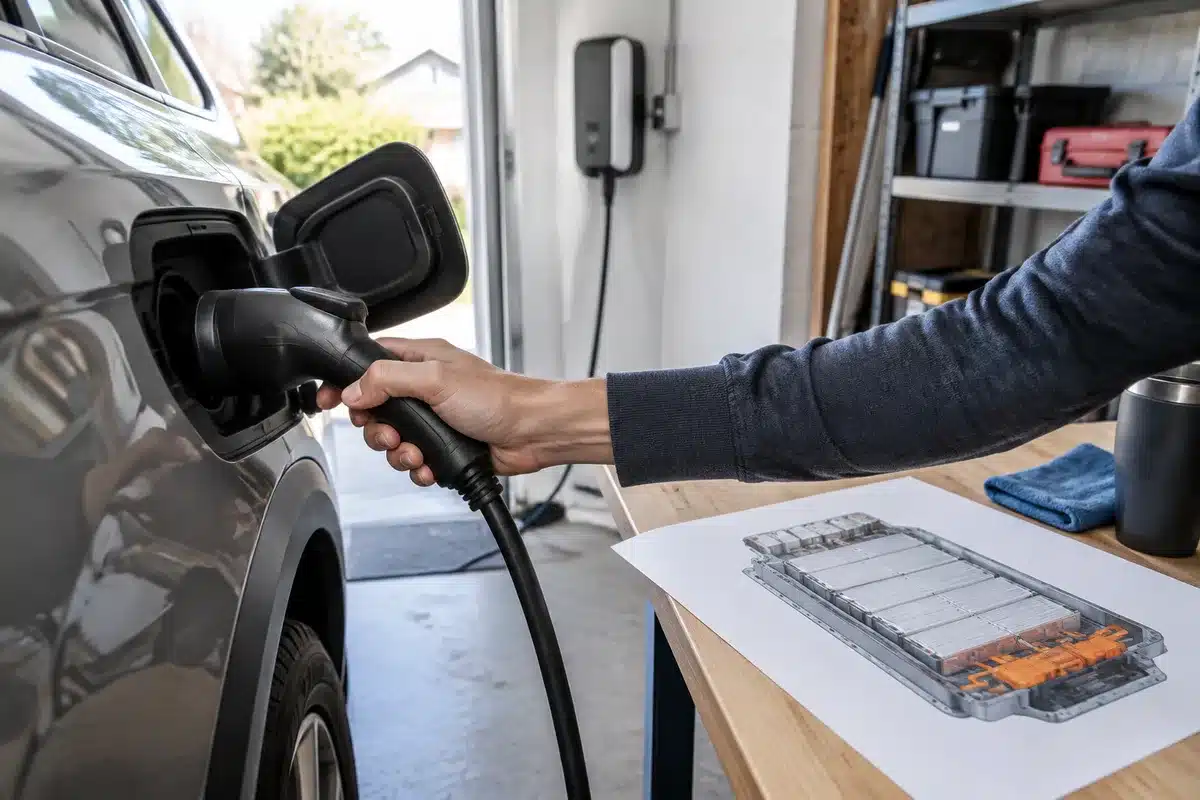
Tesla-SpaceX merger hopes crushed: Musk likely lost them after last night’s blue-tomic blast
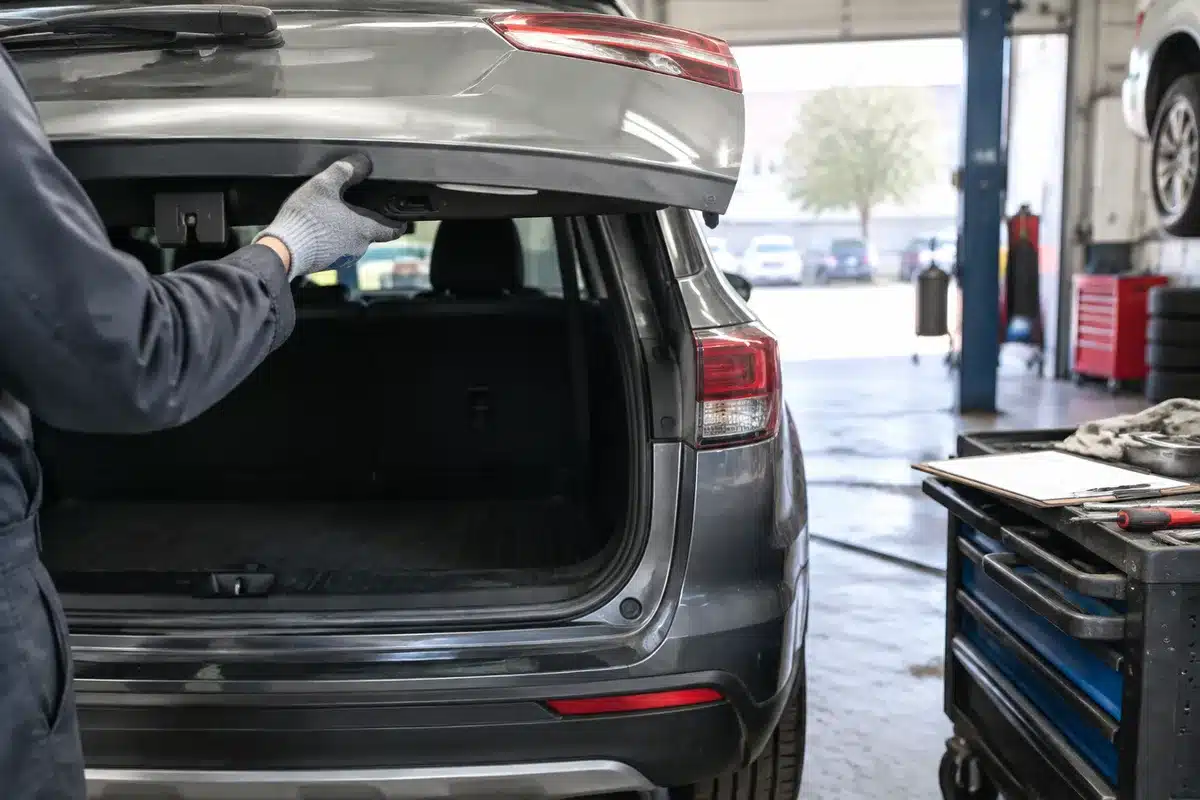
BMW Alpina 7 Series hits 186 mph: luxury sedan smashes expectations

Craft headlines that attract clicks and match intent
Headlines control first impressions. A strong headline is concise, accurate, and aligned with user intent.
- Keep headlines under 70 characters for best display across devices.
- Lead with the most important words to survive truncation.
- Avoid clickbait. Misleading headlines reduce trust and long-term visibility.
- Use natural keywords like Google Discover, Google News, and SEO when relevant.
Write content that performs: clarity, structure, and credibility
Readers and algorithms reward clarity. Break content into short paragraphs. Use subheads and lists to help scanning.
Storytelling with facts
- Open with a clear lead that answers who, what, where, when, and why.
- Support claims with verifiable sources and links.
- Use quotes and data to add authority.
Formatting that helps Discover and News
- Include a prominent image and descriptive alt text.
- Use schema for articles to signal publish date and author.
- Keep paragraphs short and sentences direct.
Optimize metadata and technical signals
Meta elements and site health are critical for indexing and distribution.
- Write unique meta titles and descriptions tailored to each article.
- Implement structured data (Article, NewsArticle) to improve presentation.
- Ensure canonical tags point to the primary URL.
- Fix crawl errors and maintain clean sitemaps for timely indexing.
Images, video, and visual assets that boost discovery
Visuals drive clicks in Discover and News. Use high-quality, relevant images.
- Use large, landscape images for Discover cards.
- Add captions and alt text describing the visual content.
- Host videos on fast platforms and provide text summaries.
Images and video can be the difference between a passive impression and an engaged reader.
Mobile performance and page experience
Most traffic from Discover and News is mobile. Speed and layout matter.

- Aim for fast LCP, low CLS, and prompt interactivity.
- Use responsive design and avoid intrusive interstitials.
- Prioritize server-side optimizations like compression and caching.
Trust signals: E-A-T and author transparency
Google favors sources it can trust. Show expertise and accountability.
- Display author bios with credentials and contact links.
- Include clear sourcing and correction policies on the site.
- Maintain a visible publishing date and update history.
Consistent transparency improves both user trust and platform distribution.
Timing, frequency, and topical relevance
Distribution on Google News rewards freshness. Discover surfaces interests over time.
- Publish timely coverage for breaking stories.
- Use evergreen content to capture Discover traffic later.
- Monitor trending topics and adapt coverage quickly.
Promotion, analytics, and testing for continuous improvement
Use data to refine what works. Track referral traffic, engagement, and rankings.
- Test variations of headlines and thumbnails for performance.
- Monitor Google Search Console and Discover reports for insights.
- Iterate on formats that produce high click-through and time-on-page.
Editorial workflows and quality control
Publishers need processes that balance speed with accuracy.
- Establish fact-checking steps for high-impact stories.
- Maintain a style guide for headlines, metadata, and image use.
- Train teams on structured data and mobile-first publishing.
Practical checklist before you hit publish
- Clear, accurate headline with target keywords.
- Accessible main image and descriptive alt text.
- Structured data and canonical URL set.
- Fast mobile load and readable layout.
- Author bio and source transparency visible.