Show summary Hide summary
- How twin jet engines turned a Harley into a thrust-driven bike
- What hitting 60 mph on pure thrust tells us about performance
- Engineering challenges the team had to solve
- Safety precautions and test conditions used during runs
- Why this jet-powered Harley grabbed attention online and on the track
- What to watch next in jet-powered motorcycle experiments
A Harley-Davidson made headlines after engineers removed its gearbox and chain, fitted twin jet engines, and sent the bike down a test strip. Running on diesel and driven only by jet exhaust, the machine hit 60 mph under pure thrust. The stunt blends mechanical audacity with a clear focus on raw spectacle.
How twin jet engines turned a Harley into a thrust-driven bike
Rather than using a conventional drivetrain, builders bolted two compact turbine engines to the frame. These turbos produce forward force by expelling high-speed gases. The conversion replaces engine torque with direct thrust.
Jet-powered Harley rockets to 60 mph on pure thrust: twin diesel jets, no drivetrain
Expensive gasoline pushing drivers to electric vehicles: will you switch?
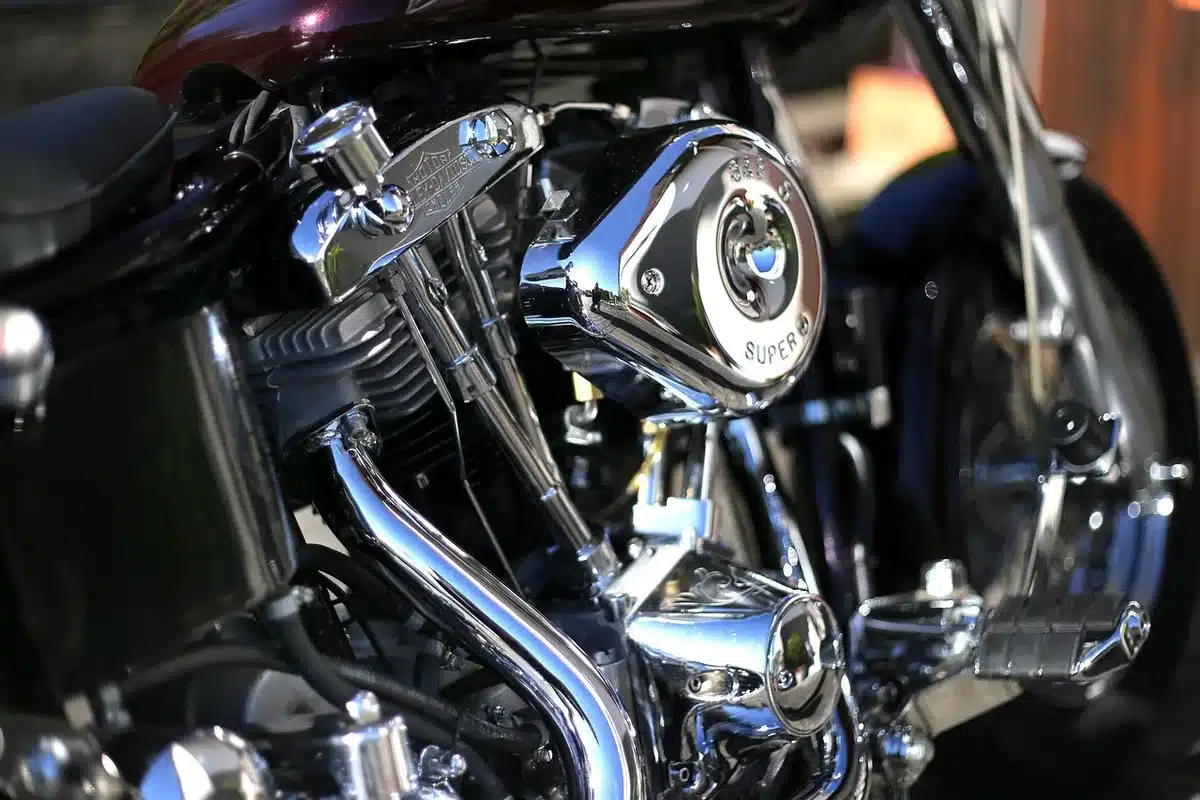
- Propulsion: dual jet engines mounted behind the rider.
- Fuel type: diesel, chosen for availability and handling.
- Drivetrain: completely removed — no transmission, chain, or belt.
The result is motion created solely by exhaust flow. That changes how acceleration and balance are managed.
What hitting 60 mph on pure thrust tells us about performance
Reaching 60 mph is a benchmark for controllability and power delivery. Jet thrust accelerates differently than wheel-driven torque. Riders feel a continuous push rather than stepwise gear shifts.
Key performance observations
- Acceleration delivery is linear as thrust increases.
- Top speed depends on thrust-to-drag ratio and rider posture.
- Balance shifts because propulsion acts behind the center of mass.
Observers noted stable straight-line runs. Steering and aerodynamic drag become the main limits once wheels are only carrying load.
Engineering challenges the team had to solve
Turning a cruiser into a jet bike requires more than engine mounts. Structural reinforcements, cooling for turbines, and a tailored fuel supply were essential. Exhaust heat and vibration demanded heat shielding and resilient fasteners.
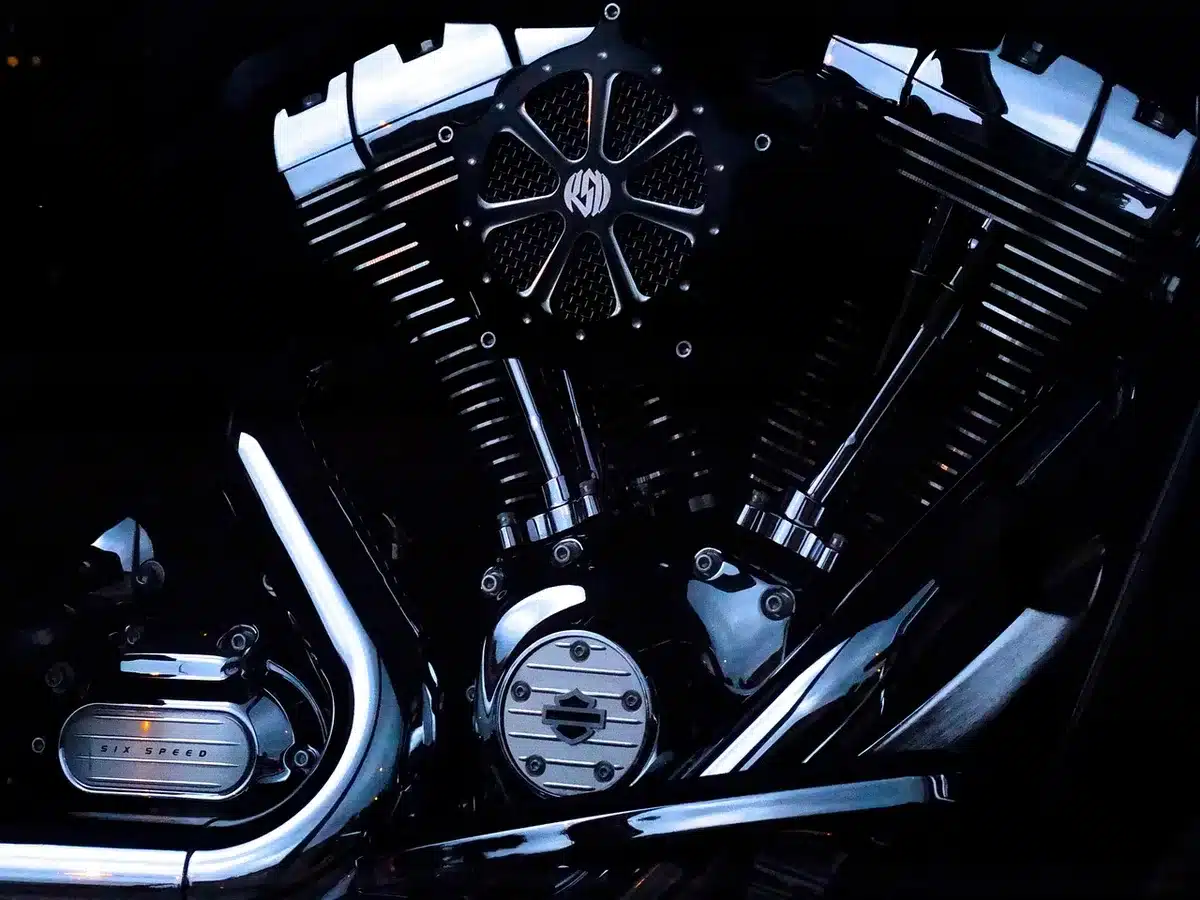
- Frame reinforcement to handle mounting stresses.
- Heat management to protect the rider and components.
- Throttle control adapted for turbine response.
Safety systems and test protocols were also critical. That includes remote shutoffs and a controlled test environment.
Safety precautions and test conditions used during runs
Teams running experimental builds usually stage tests on closed strips. Support crews monitor telemetry and stand by with emergency equipment. Riders wear full protective gear and follow staged throttle tests.
- Controlled track to limit public risk.
- Chase vehicles and fire suppression on standby.
- Incremental speed tests before full-power runs.
Why this jet-powered Harley grabbed attention online and on the track
The combination of a familiar motorcycle and exotic propulsion is inherently viral. It challenges assumptions about motorcycle design and showcases creative engineering. Media interest grows when a machine is both visually dramatic and demonstrably functional.
- High-share spectacle: unusual builds draw clicks and video views.
- Technical curiosity: shows alternative approaches to vehicle propulsion.
- Inspirational for builders and hobbyists seeking bold projects.
What to watch next in jet-powered motorcycle experiments
Future iterations may refine aerodynamics, shift engine placement, or explore hybrid approaches. Engineers will track stability, fuel efficiency, and rider ergonomics. Each test run yields data that informs safer, faster designs.