
Show summary Hide summary
- Why visibility on Google Discover matters now
- Optimize headlines and openings for clicks and clarity
- Images and thumbnails: visuals that drive Discover picks
- Technical SEO essentials for Google Search and News
- Structured data: speak the language of Google
- Editorial signals: trust, expertise, and author transparency
- Mobile-first formats and fast, engaging layouts
- Content cadence and topical authority
- Monitoring performance and reacting to trends
- Tools and quick checks before publishing
- Monetization and ad experience considerations
- What to watch next in search and discovery
A subtle shift in how publishers reach readers has made headlines across the web: appearing in Google Discover, Google News, and Google Search now demands more than luck. Quality signals, mobile performance, and smart use of structured data are reshaping which stories get seen and shared. This guide explains practical steps reporters, editors, and site owners should take today to increase visibility across Google’s ecosystems.
Why visibility on Google Discover matters now
Google Discover serves content to users based on interests and behavior. It can send huge traffic spikes within hours.
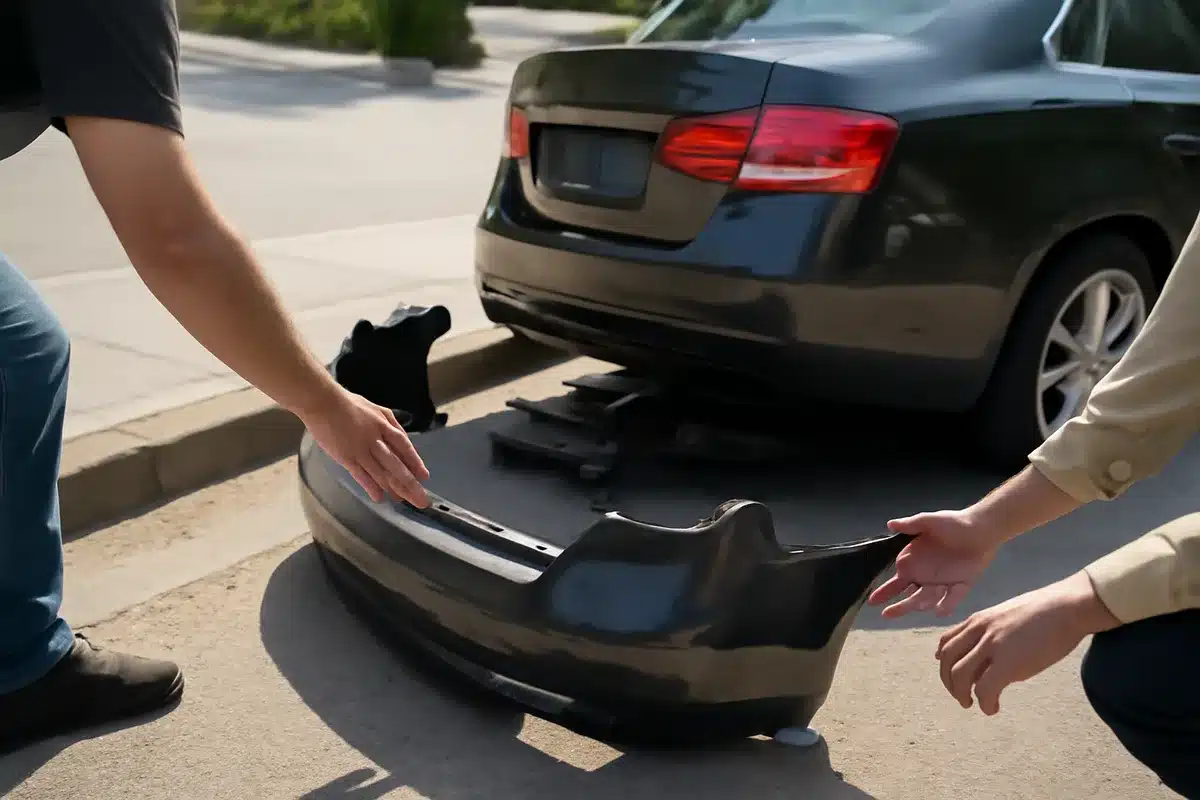
Porsche beats tow truck: $2,300 bumper totaled
Jalopnik suspends White House pool coverage: joins Politico, CNN and MS Now in solidarity
Unlike Search, Discover favors timely, engaging stories and visuals. Publishers who adapt find a new source of steady organic traffic.
Optimize headlines and openings for clicks and clarity
Headlines must be accurate and compelling. Avoid clickbait tactics that fail to meet reader expectations.
- Include the primary keyword early, such as Google Discover or Google News, when relevant.
- Keep headlines concise. Aim for 60 characters or fewer for search results.
- Write the first sentence to answer the core question of the article.
Images and thumbnails: visuals that drive Discover picks
Discover prioritizes large, high-quality images. Thumbnails influence whether a card appears in feeds.
- Use images at least 1200 px wide for full-bleed cards.
- Serve images via responsive formats like WebP or AVIF where supported.
- Include descriptive alt text and captions to improve accessibility and context.
Technical SEO essentials for Google Search and News
Foundation matters. Pages that load fast and are easy to crawl rank better and are more likely to be picked into News indices.
Performance and Core Web Vitals
- Optimize Largest Contentful Paint (LCP) by deferring nonessential scripts.
- Keep Cumulative Layout Shift (CLS) low by reserving space for images and embeds.
- Reduce Time to First Byte (TTFB) with caching and a CDN.
Indexing and crawlability
- Maintain a clean sitemap and submit it to Google Search Console.
- Use robots.txt to allow the crawler to access important assets.
- Monitor coverage reports and fix indexing errors quickly.
Structured data: speak the language of Google
Structured data helps search engines understand your content. NewsArticle and Article markup are crucial for Google News.
- Implement schema.org types: Article, NewsArticle, or BlogPosting as appropriate.
- Include headline, author, datePublished, and image fields.
- Test markup with Google’s Rich Results Test and the Search Console report.
Editorial signals: trust, expertise, and author transparency
Google emphasizes E-E-A-T: experience, expertise, authoritativeness, and trustworthiness.
- Publish author bios and link to professional profiles.
- Fact-check and cite reputable sources for data and claims.
- Correct errors visibly and link to updates when stories evolve.
Mobile-first formats and fast, engaging layouts
Most Discover traffic is mobile. Pages that fit mobile screens and reduce friction perform better.
- Use responsive design and prioritize content above the fold.
- Consider lightweight page templates for news and breaking stories.
- Avoid intrusive interstitials and excessive popups that harm UX.
Content cadence and topical authority
Repeat coverage on a subject builds authority. Google’s algorithms prefer fresh, consistent signals.
- Create series or recurring briefs to cover ongoing stories.
- Link related articles to form clear topical clusters.
- Update evergreen pieces with new facts rather than republishing identical copy.
Monitoring performance and reacting to trends
Data shows what works. Track clicks, impressions, and user engagement across platforms.
- Use Google Search Console for Search and Discover reports.
- Analyze session duration and scroll depth to gauge content quality.
- Adjust headlines and images for underperforming pieces and test again.
Tools and quick checks before publishing
A short pre-publish checklist saves time and prevents errors.
- Validate structured data with the Rich Results Test.
- Run a Lighthouse audit to catch performance regressions.
- Confirm images meet size and aspect requirements for Discover.
- Verify canonical tags and pagination for long-running coverage.
Monetization and ad experience considerations
Ads can coexist with visibility, but user experience must come first.
- Limit ad density, especially on mobile.
- Prioritize viewable, fast-loading ad formats.
- Test ad placements for impact on engagement and bounce rates.
What to watch next in search and discovery
Google continues to refine signals around user intent, visuals, and AI. Expect ranking factors to evolve.
Publishers who adapt their workflows, prioritize speed, and invest in credible journalism will be better positioned as the landscape shifts.