
Show summary Hide summary
- What the green transit plan proposes and why it matters
- Funding, timelines and the numbers shaping the rollout
- What commuters and businesses should expect
- Community reaction: support, concerns and civic feedback
- Technical and environmental benefits the city highlights
- Challenges ahead: logistics, equity and legal questions
- How residents can stay informed and take part
- What to watch for next in the city’s transport overhaul
The mayor revealed a sweeping plan today to remake city travel, promising faster commutes, cleaner air and new funding for public transport. Residents, business owners and transit advocates responded quickly. Details released this morning aim to shift drivers to greener options while upgrading aging infrastructure.
What the green transit plan proposes and why it matters
Phone location data can incriminate you after a crash: police may not even notice
Insured driver ticketed after Flock camera falsely flagged no insurance
The program centers on expanding bus lanes, adding bike corridors and electrifying the municipal bus fleet. Officials say the goal is to cut traffic delays and lower carbon emissions. Planners call it a once-in-a-generation shift toward sustainable transport.
- Dedicated bus lanes on five major corridors.
- 200 kilometers of protected bike lanes over five years.
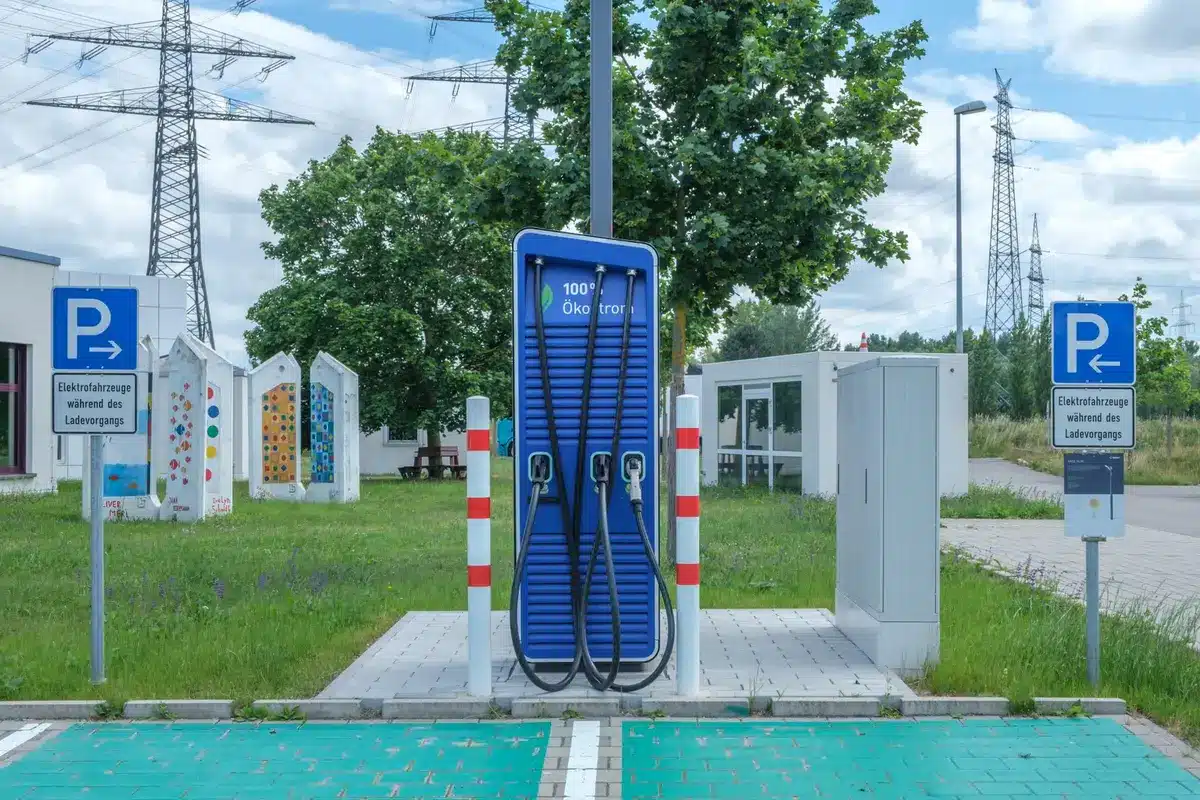
- Full electrification of city buses by 2030.
- New park-and-ride hubs to reduce downtown congestion.
Funding, timelines and the numbers shaping the rollout
City hall outlined a mixed funding strategy using federal grants, bonds and a modest transit fee. Officials estimate the package will cost several hundred million dollars. The timeline broken down below sets short, medium and long-term targets.
Key milestones
- Year 1: Launch pilot bus lanes and two bike corridors.
- Years 2–3: Expand electrified buses and install charging depots.
- Years 4–5: Complete most bike infrastructure and park-and-ride sites.
Transparent quarterly reporting is promised so taxpayers can track progress and spending.
What commuters and businesses should expect
Transit users can expect shorter wait times and improved reliability on targeted routes. Some lanes will be reconfigured, which may change driving patterns. Retailers say construction could disrupt foot traffic at first.
- Commuters: Faster, more frequent buses on core routes.
- Cyclists: Safer, continuous bike paths across neighborhoods.
- Drivers: New restrictions in some corridors to prioritize transit.
City leaders pledge mitigation measures, such as signage and temporary parking solutions, to ease the transition.
Community reaction: support, concerns and civic feedback
Public comments poured in during the announcement event. Neighborhood groups applauded the environmental goals. Some small businesses and drivers voiced worry about short-term losses.
- Supporters highlight reduced emissions and better access to jobs.
- Critics cite potential delivery delays and decreased curb parking.
- Transit advocates push for faster implementation and more routes.
Officials have scheduled community hearings and promise a revised plan after public input. Stakeholder engagement will shape final route choices and construction phasing.
Technical and environmental benefits the city highlights
City planners shared projections showing lower congestion and measurable emissions reductions. Electrified buses will cut diesel particulate matter and noise pollution. New green corridors aim to increase active travel.

- Projected traffic delay reduction of 12–20% on core routes.
- Estimated 25% cut in transit fleet CO2 emissions by 2030.
- Improved air quality in dense neighborhoods near major roads.
Challenges ahead: logistics, equity and legal questions
Experts caution about supply chain delays for electric buses and legal challenges from groups opposing lane changes. Equity advocates ask for fare protection to keep transit affordable. The city must balance speed of delivery with fairness.
Potential obstacles
- Procurement delays for vehicles and charging infrastructure.
- Traffic displacement to side streets during construction.
- Concerns over parking loss in commercial corridors.
To address these issues, officials plan to partner with community organizations and prioritize funding for underserved areas.
How residents can stay informed and take part
City hall launched a dedicated web portal with project maps and timelines. Public workshops will follow in each district. Residents can sign up for alerts, submit route suggestions and track construction updates online.
- Subscribe to monthly email updates on project progress.
- Attend district workshops to review street-level plans.
- Use the portal to suggest bus stops or bike route changes.
Active citizen participation is encouraged to help shape final decisions and ensure the plan serves diverse neighborhoods.
What to watch for next in the city’s transport overhaul
In coming weeks, council is expected to vote on the initial funding ordinance. Pilots will begin on two corridors this fall. Observers will watch for early performance data and community response to lane reconfiguration.
Advocates hope quick wins will build momentum for broader changes. City officials say they will apply lessons from pilots as they scale up.