Show summary Hide summary
- What the new climate and transit strategy proposes
- How funding and timelines are set up
- Expected impacts on commuters and local business
- Community response and public feedback
- Technical details and design priorities
- How success will be measured
- What to expect next on the calendar
- How residents can stay involved
City leaders unveiled a sweeping plan today aimed at cutting emissions, easing commuter congestion, and reshaping public space in the downtown core. The initiative promises fast changes to transit lanes, new green corridors, and a funding package that mixes public dollars with private investment. Residents and businesses are watching closely as officials roll out a timeline for the first set of projects.
What the new climate and transit strategy proposes
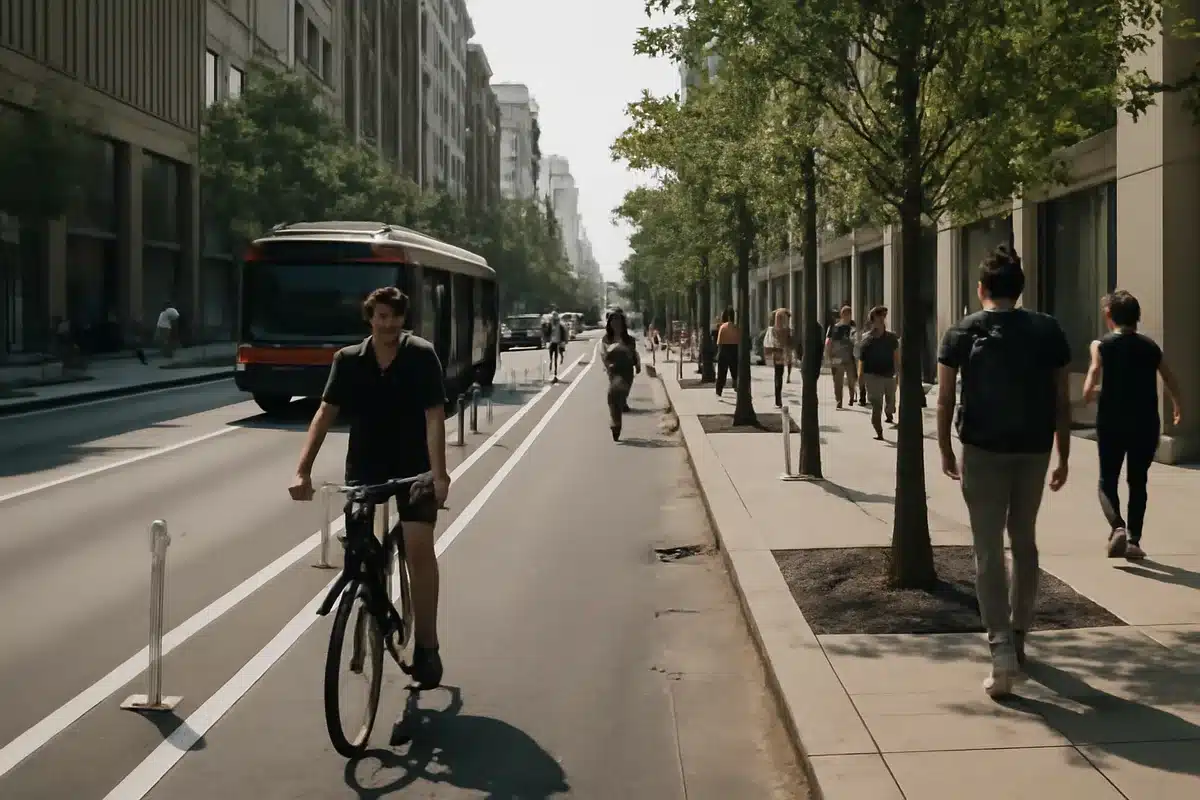
The plan emphasizes shorter commutes, safer streets, and more trees. Officials say the goal is to reduce greenhouse gas emissions and make the city more walkable. Key elements include:
Jet-powered Harley rockets to 60 mph on pure thrust: twin diesel jets, no drivetrain
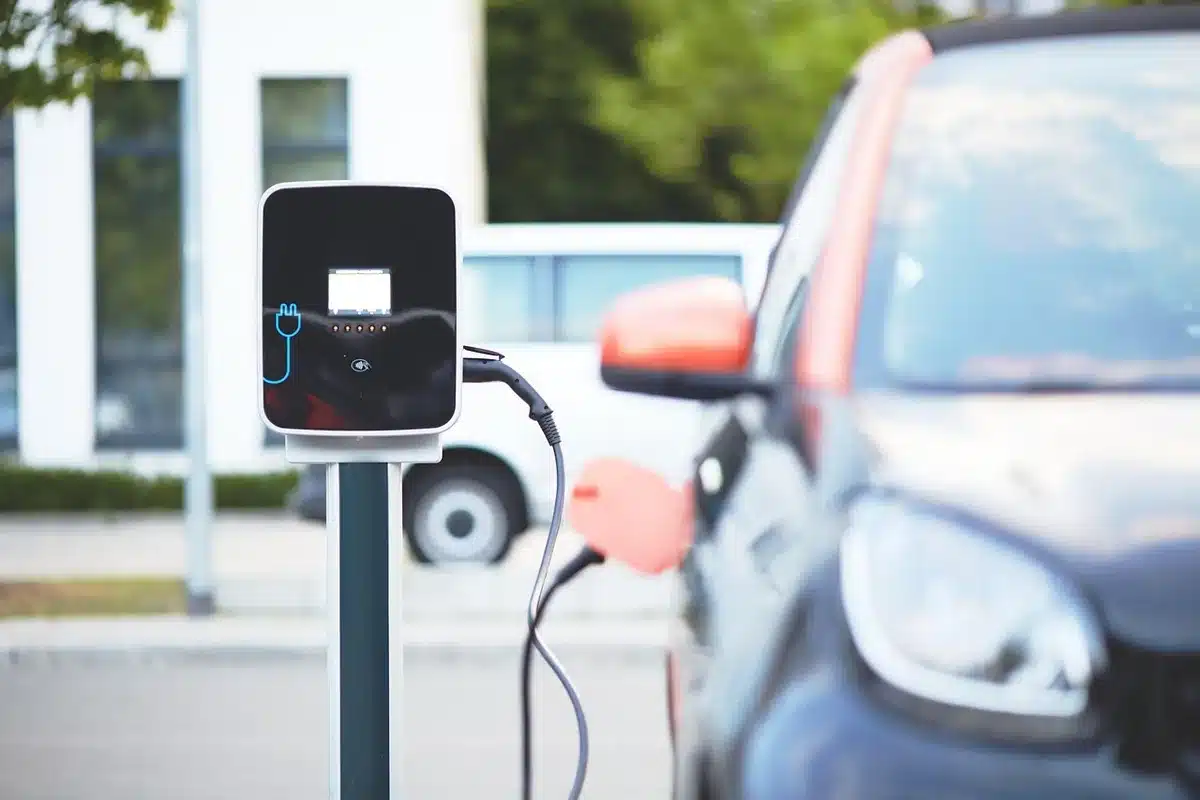
Expensive gasoline pushing drivers to electric vehicles: will you switch?
- Expanded bus rapid transit corridors to speed service.
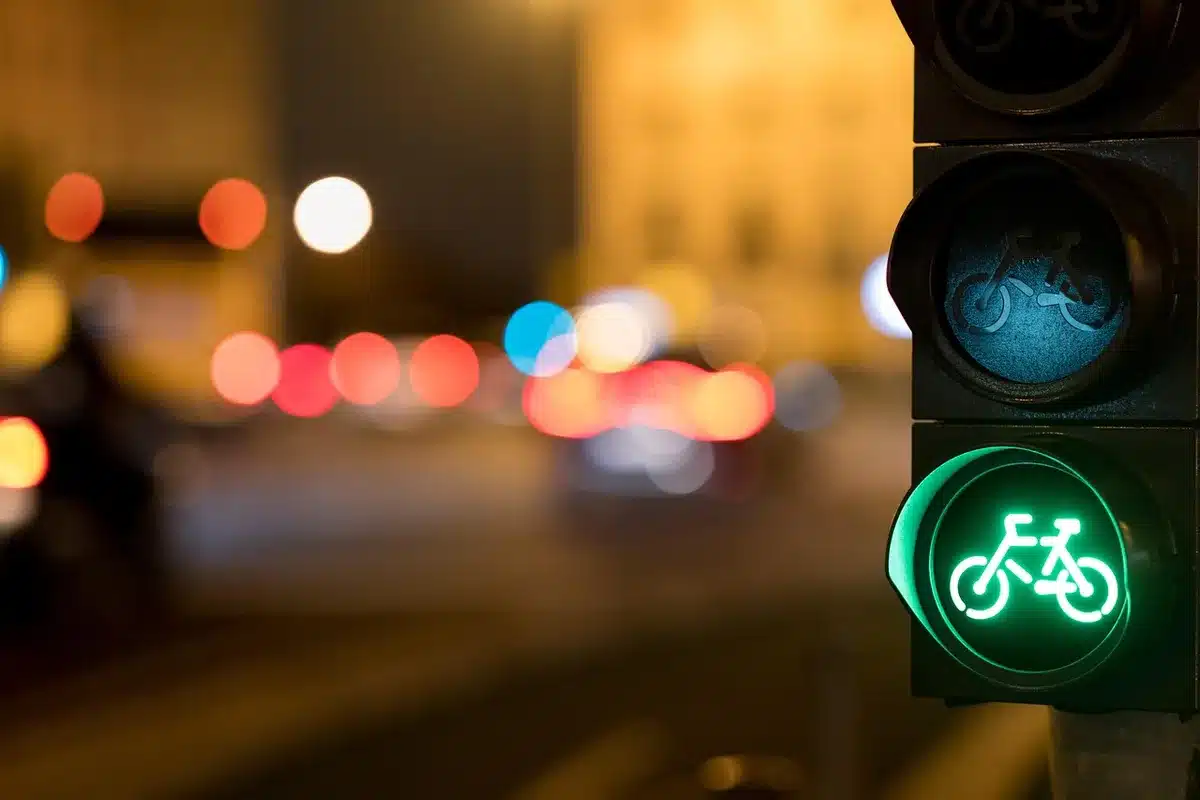
- Protected bike lanes linking major neighborhoods.
- Pedestrian-first redesigns for several downtown blocks.
- Urban tree planting and rain gardens to manage stormwater.
- Incentives for businesses to adopt clean energy and delivery consolidation.
How funding and timelines are set up
City hall outlined a phased approach to spread costs and measure results. The budget blends municipal bonds, state grants, and private partnership money. Officials said early wins will be prioritized.
- Phase 1: Immediate street redesigns and pilot bus lanes, launching within six months.
- Phase 2: Tree planting, bike network expansion, and corridor upgrades over two years.
- Phase 3: Longer-term transit investments and centralized delivery hubs over five years.
Staff will publish quarterly progress reports, and the first performance metrics are due three months after Phase 1 begins.
Expected impacts on commuters and local business
Officials argue the strategy will reduce travel times and spur economic activity. Transit advocates welcomed faster bus travel and more protected cycling routes.
- Commuters may see shorter bus trips during peak hours.
- Cargo consolidation is meant to cut delivery traffic and curbside congestion.
- Small businesses could benefit from improved foot traffic on redesigned streets.
At the same time, construction windows will affect access. The city promises targeted outreach to affected merchants and temporary support measures during key upgrades.
Community response and public feedback
Reaction was mixed at a public hearing. Neighborhood groups praised green infrastructure proposals. Some residents raised concerns about parking loss and construction noise.
Common praise and concerns
- Praise for visible commitment to climate goals and improved pedestrian safety.
- Questions about how delivery and loading zones will be managed.
- Requests for more protections for seniors and people with mobility challenges.
City officials said they will hold targeted workshops and adjust plans in response to community input. A dedicated online portal will gather comments and track design changes.
Technical details and design priorities
Engineers prioritized modular, low-disruption construction techniques. The design manual focuses on resilience, accessibility, and multimodal integration.
- Permeable pavements in tree trenches to reduce runoff.
- Raised crosswalks and curb extensions to slow vehicles.
- Smart signals to prioritize transit and reduce idle times.
Accessibility remains a core requirement. Curb ramps and tactile surfaces are required in every redesigned block.
How success will be measured
Performance indicators will track travel times, ridership, air quality, and street-level safety. The city committed to transparent data sharing.
- Bus speed and on-time performance.
- Number of trips by bike and on foot.
- Reduction in vehicle miles traveled within the target zone.
- Air pollutant concentrations near major corridors.
What to expect next on the calendar
Officials plan a staged launch to limit disruption. Immediate actions include temporary bus lanes and a pilot protected bike lane. Design workshops start next month.
- Public workshops and targeted stakeholder meetings.
- Permitting and contract awards for Phase 1 projects.
- Quarterly reporting on pilot outcomes and next steps.
How residents can stay involved
The city set up multiple channels for input. Residents can sign up for email updates, join neighborhood meetings, or submit comments via the project portal.
- Subscribe to the project newsletter for timelines and closures.
- Attend open workshops to review designs and offer feedback.
- Use the online portal to file specific concerns about access or deliveries.