
Show summary Hide summary
- What the new AI chip claims to offer
- Why this matters for cloud services and AI startups
- Key technical details and innovations
- Market reaction and competitor moves
- Voices from developers and researchers
- Potential benefits for edge computing and mobile devices
- Regulatory and supply chain considerations
- When businesses and consumers might see the benefits
- Questions still unanswered
- How this shapes the broader AI hardware race
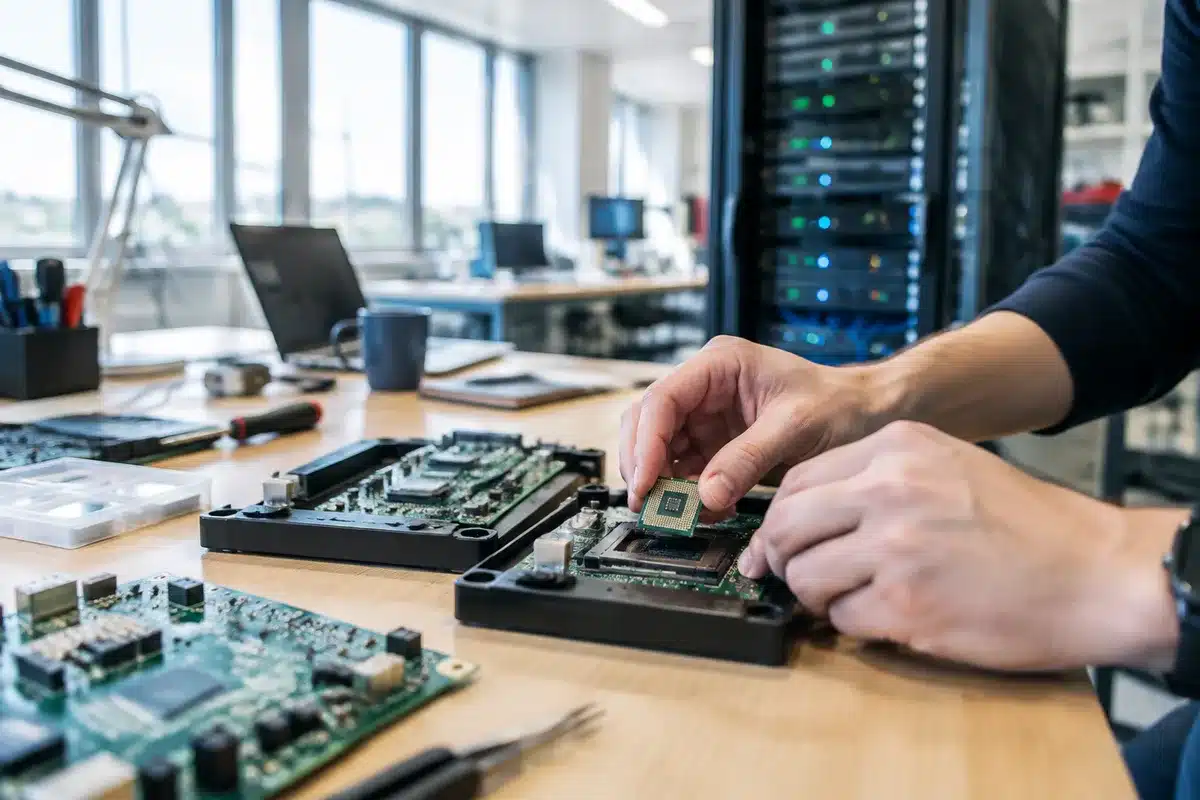
A major technology company revealed a new artificial intelligence chip today, promising faster computing and lower power use. The announcement could change how data centers and edge devices run large language models and vision systems. Industry leaders, investors, and developers are watching closely as companies race to build more efficient AI hardware.
What the new AI chip claims to offer
The chip maker says the device delivers higher inference speeds and a notable cut in energy consumption. Early demos showed reduced latency for common AI tasks. That performance boost may lower operational costs for cloud providers and enterprises running heavy AI workloads.
2004 Nissan 350Z $12,500: could this be your new weekend toy?
Stellantis CEO: what’s the first thing you’d change?
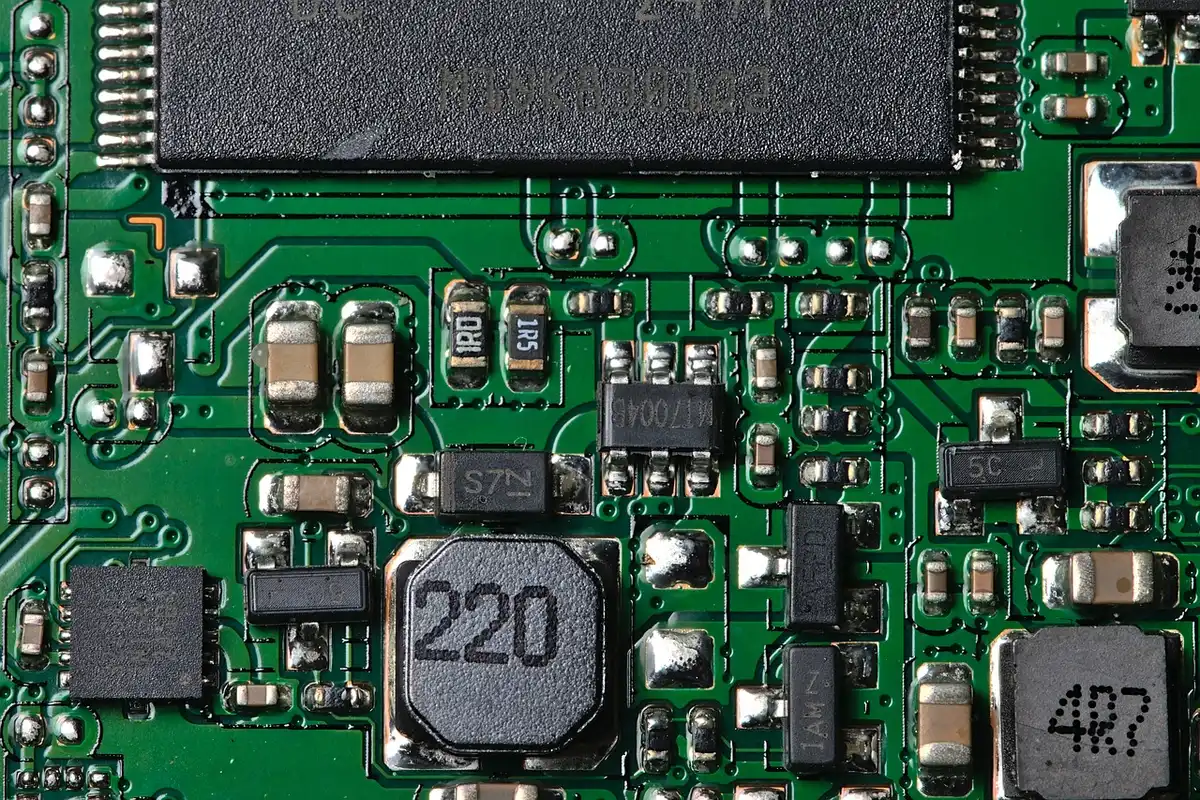
- Improved inference throughput for transformer models.
- Reduced power draw compared with prior-generation chips.
- Integrated memory to reduce data movement delays.
- Scaled packaging for data center racks and smaller edge modules.
Why this matters for cloud services and AI startups
Cloud operators are under pressure to cut costs while scaling AI services. A more efficient chip can shift economics. Startups building AI products could gain from cheaper inference and longer battery life on edge devices.
Lower infrastructure costs could broaden access to advanced models and enable fresh product ideas from smaller teams.
Key technical details and innovations
The company disclosed several architectural improvements. These aim to reduce the bottlenecks common in neural network workloads. Engineers emphasized parallel processing and smarter memory hierarchy.
Design advances highlighted by engineers
- Specialized tensor units optimized for matrix math.
- On-die high-bandwidth memory to shorten data paths.
- Adaptive precision modes to trade off accuracy and speed.
- Hardware-level model compression and quantization support.
Market reaction and competitor moves
Shares in related chipmakers shifted as analysts revised forecasts. Some rivals announced software updates to keep older hardware competitive. Others signaled plans for accelerated product roadmaps.
- Analysts see potential margin pressure for cloud incumbents.
- Rivals may pivot to mixed-signal solutions or software optimization.
- Smaller AI chip startups could become acquisition targets.
Voices from developers and researchers
Early-access users praised the reduction in inference latency during tests. But some researchers noted concerns about portability and software support. Integration with existing frameworks will determine adoption speed.
Compatibility and robust SDKs will be critical for teams to move models without extensive rewrites.
Potential benefits for edge computing and mobile devices
The chip’s energy profile makes it attractive for on-device AI, from smart cameras to AR glasses. Lower power use can extend runtimes and enable new always-on features.

- Longer battery life for AI-enabled devices.
- Reduced need for constant cloud connectivity.
- Improved privacy when inference runs locally.
Regulatory and supply chain considerations
Scaling production will face the same supply-chain constraints that affected recent chip launches. Governments tracking AI infrastructure may raise scrutiny on export controls and security.
Logistics and geopolitical factors could reshape where and how the chips are manufactured.
When businesses and consumers might see the benefits
The vendor plans a phased rollout. Cloud customers could get early access within months. Rack-scale systems and partner devices may appear later in the year.
- Beta access for cloud providers in the coming quarter.
- OEM integrations targeted for later product cycles.
- Public availability dependent on yield and certifications.
Questions still unanswered
Key unknowns remain around real-world benchmarks, pricing, and long-term reliability. Independent testing will be needed to verify claimed gains.
- How will the chip perform under sustained, mixed workloads?
- What is the expected total cost of ownership?
- How easily can software ecosystems adapt to new hardware?
How this shapes the broader AI hardware race
This launch intensifies competition among chip designers, cloud providers, and system integrators. As AI models grow, demand for specialized hardware will increase. The industry is moving toward diverse solutions rather than a single dominant architecture.
Faster, greener AI hardware could make advanced models more practical across industries. Continued innovation will determine who captures the next wave of AI deployment.