Show summary Hide summary
- Key elements of the green transit plan and why they matter
- Budget, funding sources, and the projected timeline
- Voices from planners and climate experts
- Community impact and equity considerations
- Potential challenges and political hurdles
- What residents can expect during rollout
- How to track progress and get involved
City leaders unveiled a sweeping plan to rebuild public transit, shore up flood-prone neighborhoods, and cut emissions in half over the next decade. The proposal aims to link climate resilience with everyday commutes, promising faster buses, safer streets, and new green infrastructure. Residents, planners, and critics now face a fast-moving debate on funding, timelines, and the real impact on local communities.
Key elements of the green transit plan and why they matter
The proposal centers on a set of actions designed to reduce emissions and improve mobility. Officials say the measures will make transit more reliable and neighborhoods more resistant to extreme weather.
2004 Nissan 350Z $12,500: could this be your new weekend toy?
Stellantis CEO: what’s the first thing you’d change?
- Electrify buses and service fleets to lower tailpipe pollution and operating costs.
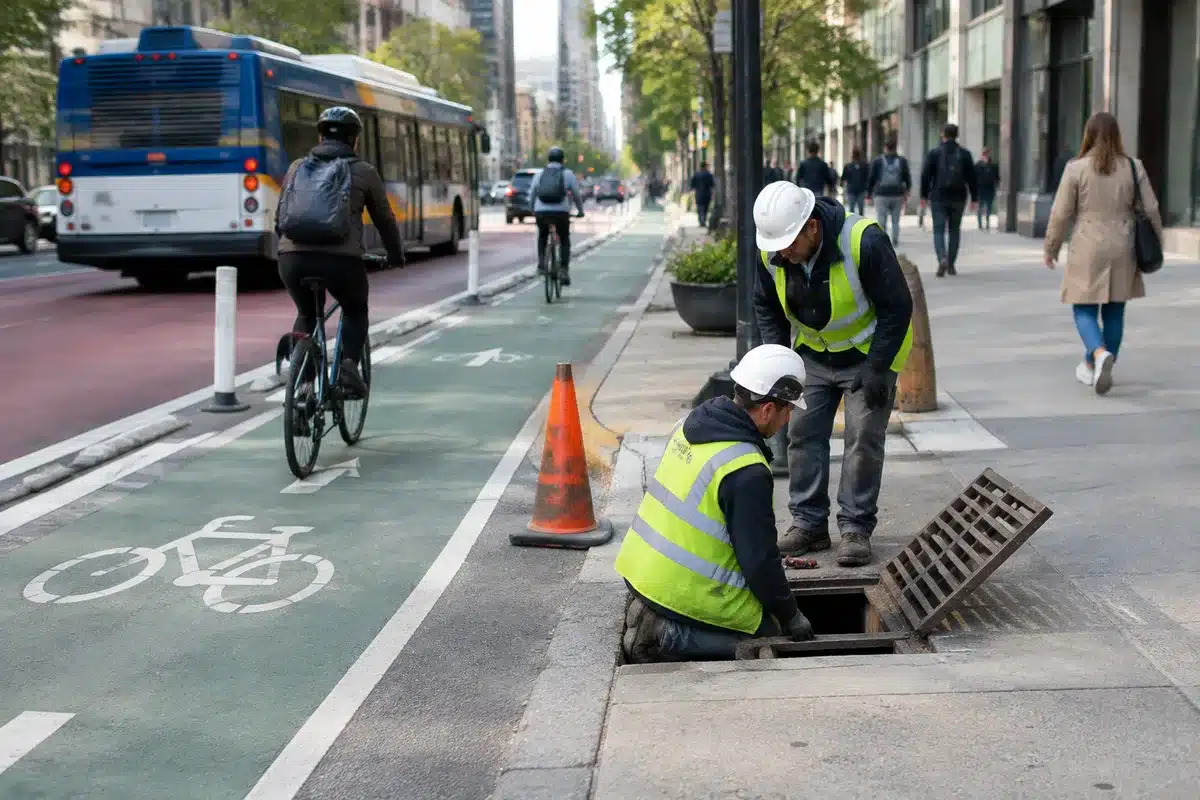
- Expand dedicated bus lanes to speed up travel times on major corridors.
- Invest in protected bike lanes and pedestrian upgrades to encourage active travel.
- Install green stormwater systems in flood-prone blocks to reduce runoff.
- Upgrade signals and transit priority systems to cut delays at intersections.
Budget, funding sources, and the projected timeline
Officials estimate the plan will cost billions over ten years. They propose a mix of federal grants, municipal bonds, and public-private partnerships.
- Short-term projects: bus lanes and signal upgrades, first 18 months.
- Medium-term projects: fleet electrification and bike networks, 2–5 years.
- Long-term projects: major infrastructure and drainage systems, 5–10 years.
City staff are pursuing federal climate and transit grants. They also want to issue municipal bonds to cover matching funds. Private developers may fund streetscape work in exchange for density bonuses.
How the money is expected to be allocated
- Transit upgrades and vehicles: 40% of capital spending.
- Climate resilience infrastructure: 30%.
- Maintenance and workforce training: 15%.
- Community programs and equity measures: 15%.
Voices from planners and climate experts
Urban planners call the plan ambitious but necessary. Climate experts say connecting transit improvements to stormwater management is a smart move.
- Planners note that reliable transit reduces car trips and emissions.
- Environmental engineers praise green infrastructure for reducing flood risk.
- Public-health advocates point to cleaner air and safer streets.
Some analysts warn that timelines are optimistic. They caution about supply-chain delays and workforce shortages for specialized construction.
Community impact and equity considerations
City officials emphasize equity as a core goal. The plan targets improvements in neighborhoods that have long seen underinvestment.

- Priority corridors will get new bus lanes and improved stops.
- Subsidized transit passes aim to help low-income riders.
- Community benefits agreements are proposed for major construction projects.
Advocates want clear metrics to ensure benefits reach the most affected residents. They ask for regular reporting and community oversight committees.
Potential challenges and political hurdles
Implementation faces political and technical obstacles. Opponents question the cost and potential disruptions to traffic and parking.
- City council approval is required. Several members want more detail.
- Business groups worry about short-term construction impacts.
- Neighborhoods concerned about displacement want stronger anti-displacement policies.
Planners say phased construction and rental assistance programs could reduce harms. Still, getting buy-in will require compromise and clear communication.
What residents can expect during rollout
Officials plan a staged rollout to limit disruption and show early wins.
- Phase one: visible improvements like bus lanes and signal prioritization.
- Phase two: vehicle electrification and expanded bike networks.
- Phase three: larger drainage and street-retrofit projects.
Public hearings and community workshops are scheduled across the city. Residents can review maps, timelines, and funding details at local centers and online.
How to track progress and get involved
The city will publish a monthly dashboard to track spending and performance. Community members can join advisory boards and sign up for neighborhood briefings.
- Subscribe to the city’s transit and climate updates online.
- Attend scheduled town halls to ask questions and offer feedback.
- Join or follow local advocacy groups working on mobility and resilience.