Show summary Hide summary
- Why public EV charging is moving to the front line
- Where new chargers are being placed and why it matters
- How the technology mix is shaping projects
- Funding models and partnerships driving expansion
- What drivers should know before they plug in
- Equity, permitting and local hurdles
- Grid impacts and how utilities are preparing
- How cities measure success
- What to expect in the next 12 to 24 months
Cities across the country are accelerating work to expand public electric vehicle charging networks. New projects aim to reduce range anxiety, speed EV adoption and create more equitable access to clean transportation. Officials and industry leaders say the rush to deploy chargers focuses on speed, reliability and locations that serve commuters and underserved neighborhoods.
Why public EV charging is moving to the front line
As electric vehicle sales rise, regular drivers need more places to charge outside the home. Public chargers are no longer a convenience. They are a necessary backbone for daily life.
2004 Nissan 350Z $12,500: could this be your new weekend toy?
Stellantis CEO: what’s the first thing you’d change?
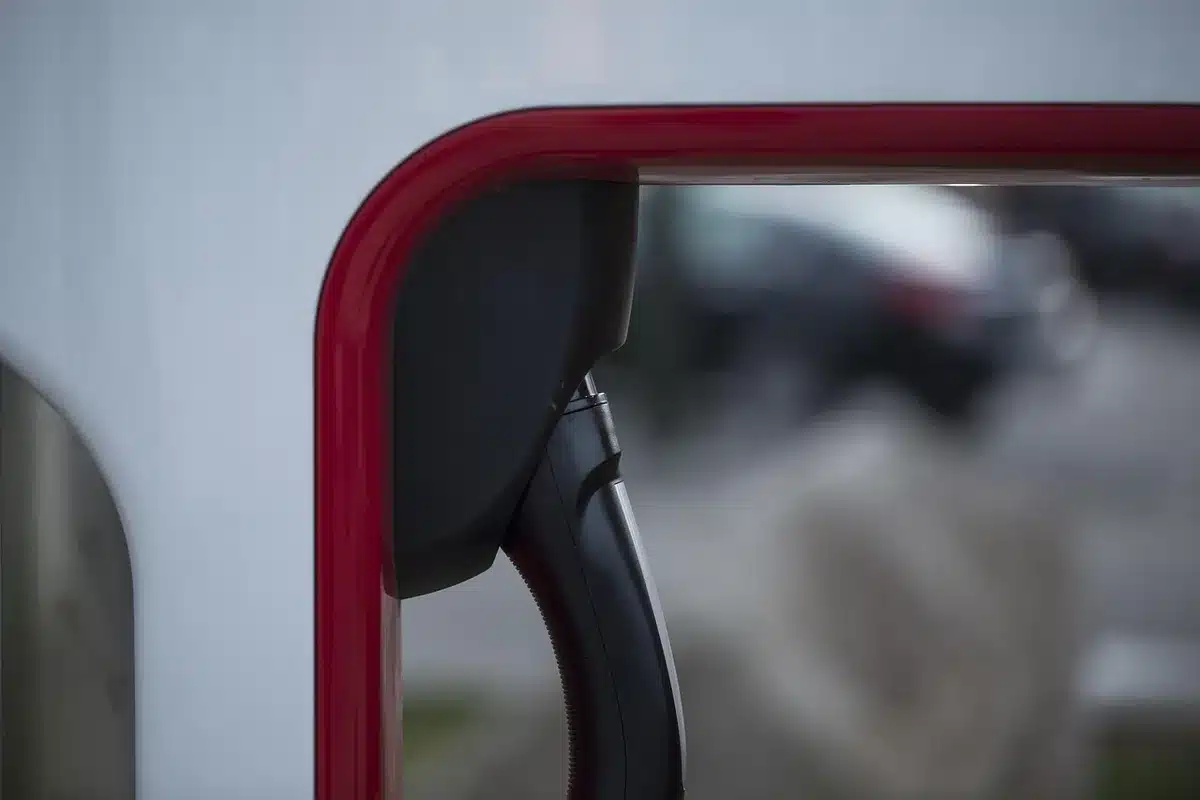
- Reliability: Drivers depend on chargers during long trips and daily commutes.
- Access: Not everyone can install a charger at home. Public stations fill that gap.
- Emission goals: Cities link charging expansion to climate targets and air quality improvements.
Where new chargers are being placed and why it matters
Deployment focuses on predictable patterns of use. Transit hubs and business districts get priority. So do neighborhoods with low home-charging rates.
Target locations
- Major commuter corridors and highway rest stops.
- Transit stations and park-and-ride lots.
- Retail centers and downtown parking garages.
- Multiunit housing areas and neighborhood curbside spots.
Placing chargers where people park frequently boosts utilization. That lowers per-charge costs and improves return on investment for operators.
How the technology mix is shaping projects
Agencies balance fast charging and slower, lower-cost Level 2 chargers. The choice depends on location and user needs.
- Fast chargers for highway users and quick turnarounds.
- Level 2 chargers for workplaces and overnight parking.
- Smart management software to reduce grid stress and lower costs.
Funding models and partnerships driving expansion
Public-private partnerships are common. Governments offer grants and incentives. Private companies handle installation and maintenance.
- Federal and state grants offset infrastructure costs.
- Utility-led programs smooth grid upgrades and time-of-use pricing.
- Commercial operators monetize charging through subscriptions and ad-supported models.
What drivers should know before they plug in
Knowing how to find, use and pay at public chargers makes the experience smoother. Apps and maps remain the most common tools.
Practical tips
- Check charger type and connector before you arrive.
- Use station apps for real-time availability and pricing.
- Plan charging around your schedule to avoid peak rates.
- Be mindful of idle fees and time limits at busy stations.
Equity, permitting and local hurdles
Rolling out chargers faces nontechnical barriers. Permitting delays and curb access rules slow projects. Cities increasingly require equity metrics.
- Streamlined permitting speeds installations.
- Funding set-asides target low-income and multiunit housing areas.
- Community outreach addresses concerns about curb use and visual impact.
Equitable siting ensures communities without home charging are not left behind.
Grid impacts and how utilities are preparing
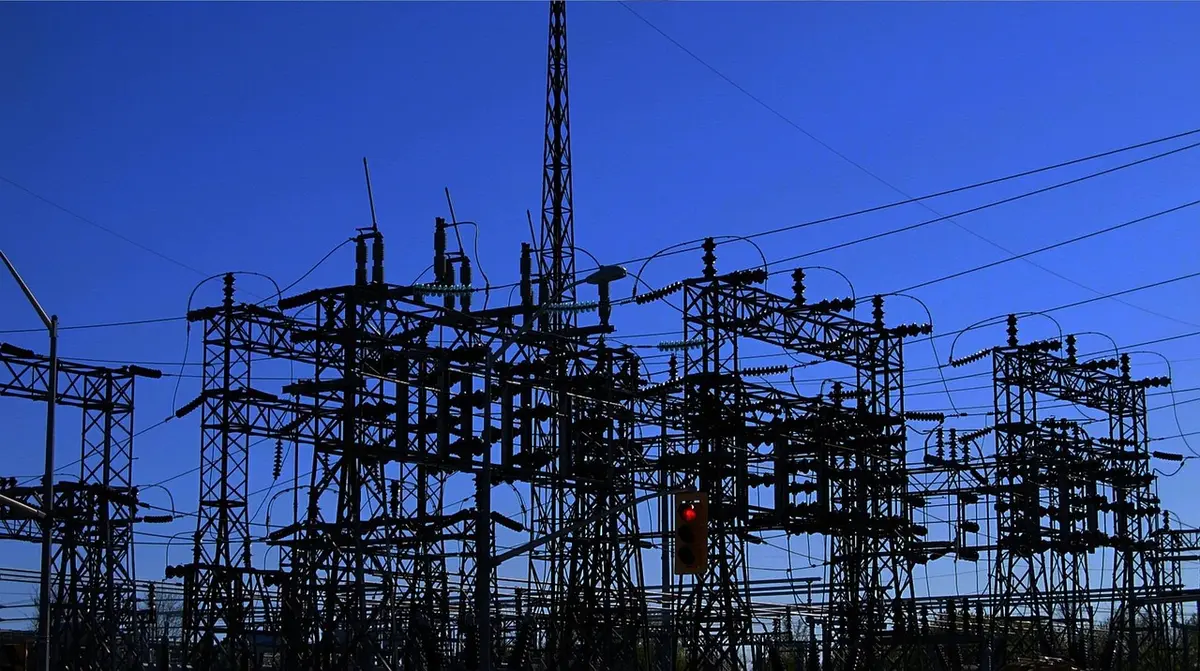
Charging networks change electricity demand patterns. Utilities study load impacts and offer managed charging programs.
- Time-of-use rates nudge charging to off-peak hours.
- Vehicle-to-grid pilots test bidirectional charging benefits.
- Local upgrades to transformers and distribution lines are often necessary.
How cities measure success
Officials track utilization, uptime and community access. Performance metrics guide future site selection and funding.
- Charger uptime and service response times.
- Percentage of chargers in priority neighborhoods.
- Cost per usable charging hour and user satisfaction scores.
What to expect in the next 12 to 24 months
Look for faster rollouts and more visible networks. Software will improve routing and payment. Coordination with transit and housing agencies will expand access.
- More fast-charging corridors along major highways.
- Increased investment in curbside and garage charging.
- Expanded incentives for residential and commercial installations.