Show summary Hide summary
- What the reforestation plan will do for neighborhoods
- Funding, timelines, and where the money goes
- Job creation and workforce development through green projects
- Expected environmental and health gains
- How residents can get involved and what to expect
- Response from experts and environmental groups
- Next steps public officials set in motion
City officials unveiled an ambitious urban reforestation initiative today, promising cooler streets, new green jobs, and strengthened climate resilience. The plan targets neighborhoods hit hardest by heat and pollution, and it aims to transform vacant lots into shaded corridors over the next five years.
What the reforestation plan will do for neighborhoods
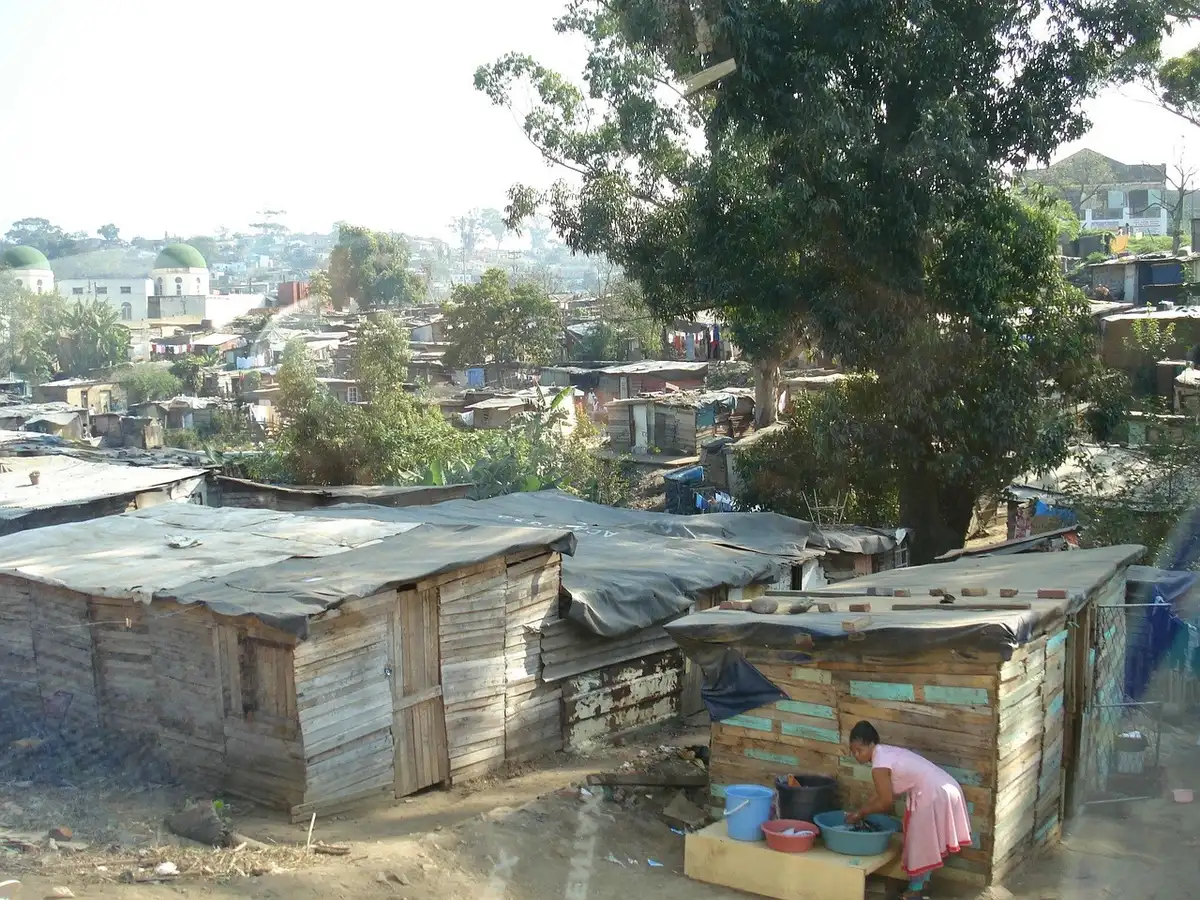
The program centers on a citywide push to increase tree canopy and expand pocket parks. Planners say the effort will focus on corridors with the highest heat index and the least current greenery. This is a targeted approach to reduce urban heat and improve air quality.
Close call confessions: share your most unforgettable near miss
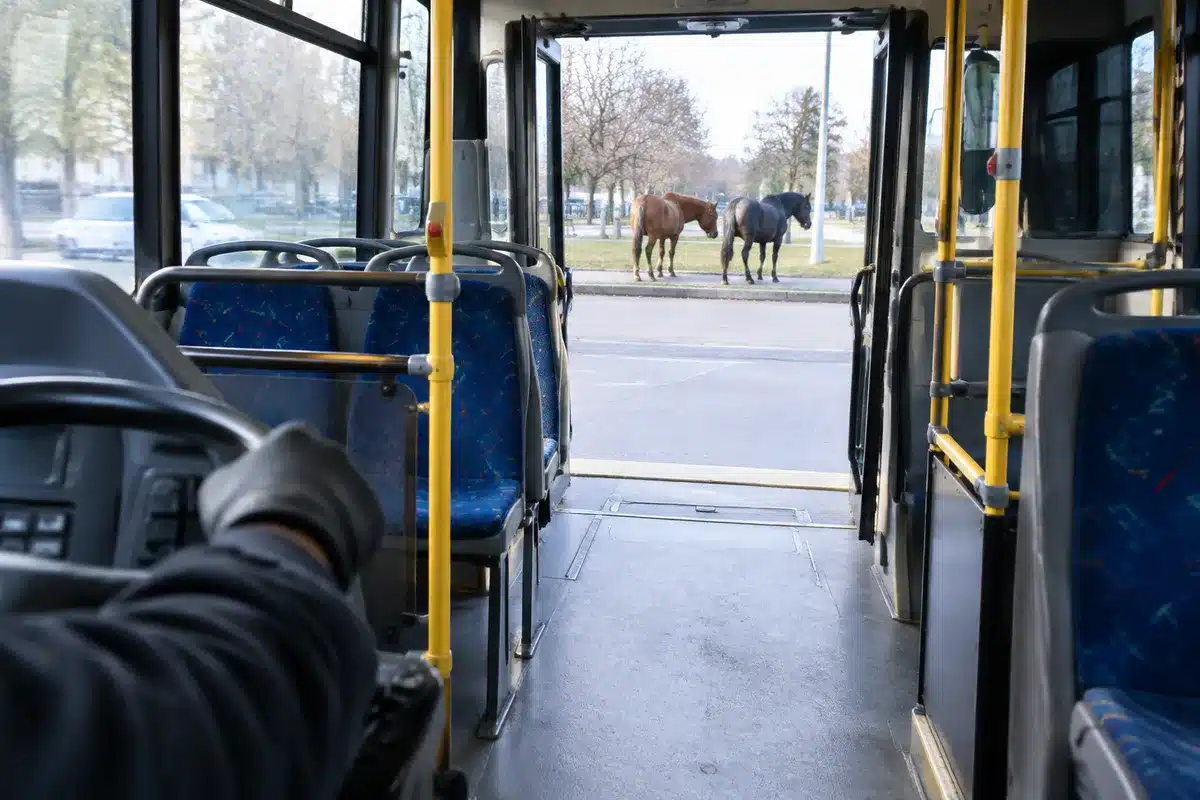
Detroit bus driver welcomes two horses onboard: if they can get in here, it is what it is

- Planting at least 50,000 trees across all boroughs.
- Converting vacant lots into mini-parks and community orchards.
- Installing shade structures and permeable walkways.
Funding, timelines, and where the money goes
Officials describe a blended funding model with public funds and private partners. City leaders announced an initial commitment that will kickstart planting and training. The multi-year budget covers planting, maintenance, and community outreach.
- Year one: site surveys, community hiring, and pilot plantings.
- Years two to four: large-scale planting and park conversions.
- Year five: canopy assessment and long-term maintenance plans.
Key investments include nursery expansion, irrigation systems, and a maintenance fund for transplant survival.
Job creation and workforce development through green projects
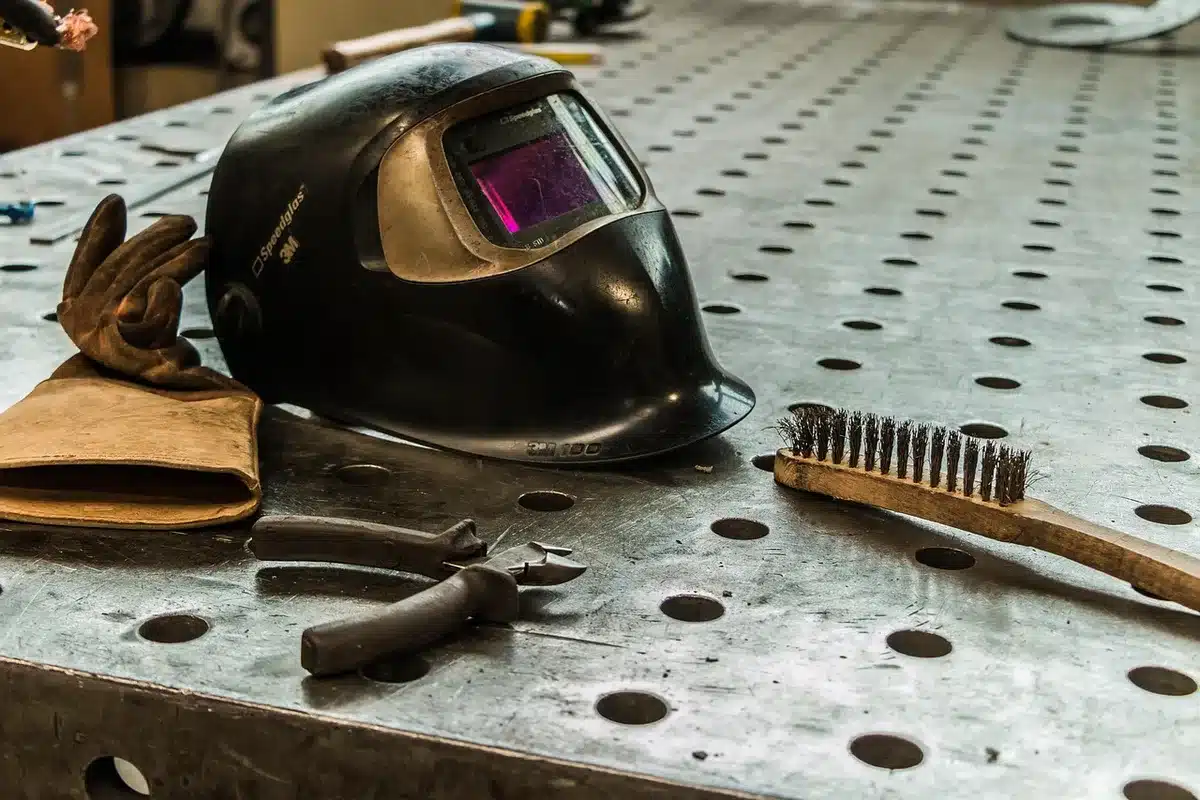
Organizers emphasize job training as central to the plan. The city will partner with local nonprofits and technical schools to prepare residents for planting and maintenance roles.
- Apprenticeships in arboriculture and landscape maintenance.
- Paid fellowships for community outreach coordinators.
- Small grants to neighborhood groups for park stewardship.
Advocates note that green jobs can provide steady work while building local stewardship of public spaces. Creating career pipelines is a priority.
Expected environmental and health gains
Research shows trees cool streets, filter pollutants, and reduce energy demand in buildings. City analysts project lower summer temperatures in targeted zones and fewer heat-related emergencies.
- Reduced surface temperatures through increased shade.
- Improved air quality from enhanced foliage.
- Stormwater benefits from expanded permeable surfaces.
Planners will measure outcomes with sensors and aerial canopy surveys to track progress and adjust strategies.
How residents can get involved and what to expect
Community engagement is built into the rollout. The city will host neighborhood design workshops and volunteer planting days. Applications for local stewardship grants open next month.
- Sign-up for planting events through the city portal.
- Apply for small grants to adopt a pocket park.
- Attend design workshops to shape planting plans.
Residents will receive training and tools to maintain new trees and green spaces.
Response from experts and environmental groups
Urban foresters and climate advocates praised the plan but urged a focus on long-term maintenance. Experts say survival rates hinge on watering, monitoring, and community buy-in.
A leading arboriculture specialist noted that native species selection and early care are decisive. Environmental groups welcomed the job components and called for transparent reporting on canopy gains.
Next steps public officials set in motion
The city announced a schedule of neighborhood meetings and pilot sites. Officials expect planting crews to begin work in the coming planting season. They also plan to publish quarterly progress updates and interactive maps.
“We want residents to see change quickly,” said a city official, who added that pilot plots will be monitored closely to refine techniques and timing for wider rollout.