Show summary Hide summary
- What the new park means for the neighborhood: goals and impact
- Design elements built to withstand climate risks
- How the park will cool the city: heat mitigation tactics
- Community-centered programming and access
- Funding, timeline, and project partners
- Why native plants matter and what species are planned
- Community input and how residents shaped the park
- Early benefits and measurable outcomes to watch
- Opportunities for volunteers and local businesses
- What to expect during construction and ways to stay informed
The city has unveiled an ambitious plan to transform a central block into a climate-resilient park that promises cooler summers, better stormwater management, and new community spaces. Residents will soon see green infrastructure, play areas, and walking paths designed to absorb rain, reduce heat, and bring neighbors together for events and daily life.
What the new park means for the neighborhood: goals and impact
Planners say the project aims to address rising temperatures, increased rainfall, and limited public green space. Urban resilience and social connection are at the center of the design. Officials expect measurable benefits in air quality, surface temperature, and local water management.
100-mile mountain commute: the best cars to buy for safety and comfort
Trump nixes deal with Iran: oil prices surge, talks falter
- Reduce street and building temperatures through tree canopy and shade structures.
- Capture and filter stormwater using bioswales and rain gardens.
- Create accessible recreation zones for all ages and abilities.
- Provide space for community programs and pop-up markets.
Design elements built to withstand climate risks
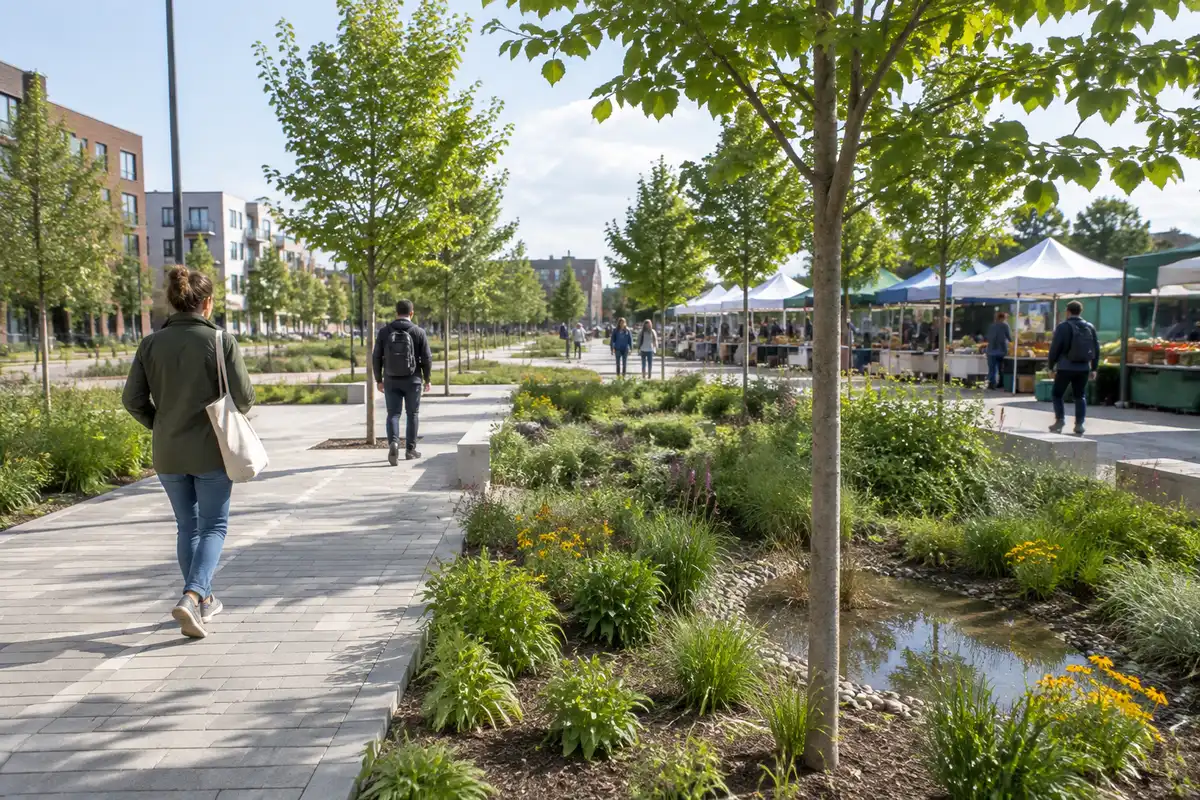
The park combines native planting, porous surfaces, and modular furnishings to adapt to changing conditions. Landscape architects prioritized materials that last and systems that help the environment recover from extreme weather.
Green infrastructure features
- Bioswales and rain gardens to slow runoff and improve groundwater recharge.
- Permeable paving to reduce surface flooding after storms.
- Native trees and shrubs chosen for drought tolerance and urban survival.
- Green roofs on adjacent structures to lower energy use and heat gain.
How the park will cool the city: heat mitigation tactics
Urban heat islands are a growing threat. This project uses layered shade and reflective materials to cut temperatures near sidewalks and plazas.
- Expanded tree canopy along major pedestrian routes.
- Shaded seating and pergolas to make outdoor spaces usable in summer.
- Light-colored, high-albedo surfaces on plazas and bike lanes.
Community-centered programming and access
Planners intentionally embedded amenities for local groups, schools, and businesses. The park will host workshops, markets, after-school activities, and seasonal festivals.
Accessibility and inclusion
- Wide, smooth pathways for wheelchairs and strollers.
- Play areas with adaptable equipment for children of different abilities.
- Clear signage and night-time lighting for safety and wayfinding.
Funding, timeline, and project partners
The initiative is funded through a mix of municipal funds, grants, and private contributions. Construction will roll out in phases to limit disruption and deliver early community benefits.
- Phase 1: site preparation, stormwater systems, and foundational plantings.
- Phase 2: pathways, playgrounds, and seating areas.
- Phase 3: public art installations, market spaces, and final landscaping.
Why native plants matter and what species are planned
Using native species reduces maintenance and supports local wildlife. Experts selected plants that thrive here with minimal irrigation.
- Deep-rooted grasses to stabilize soil and absorb water.
- Flowering perennials to support pollinators and seasonal color.
- Canopy trees that provide shade and habitat for birds.
Community input and how residents shaped the park
Officials hosted workshops and surveys to gather ideas from neighbors. Feedback influenced seating choices, lighting levels, and program scheduling.
- Weekly pop-up meetings during the planning phase.
- Online surveys to rank desired amenities and hours of operation.
- Partnerships with local schools for youth-driven design elements.
Early benefits and measurable outcomes to watch
City officials will track several indicators to judge success. These include surface temperatures, stormwater retention, and park usage patterns.
- Temperature monitoring at shaded and unshaded sites.
- Volume of stormwater diverted from sewers to green systems.
- User surveys on safety, comfort, and programming needs.
Opportunities for volunteers and local businesses
Residents and merchants are invited to support planting days, cleanups, and event sponsorship. Local cafes and vendors may join the regular market schedule.
- Volunteer planting weekends for tree and garden care.
- Small business booths during weekend markets.
- Educational partnerships with nearby schools and nonprofits.
What to expect during construction and ways to stay informed
Construction will begin with clear signage and alternate routes for pedestrians. Officials pledge open communication through newsletters and community meetings.
- Notifications for street closures and temporary detours.
- Monthly progress updates from the parks department.
- Contact points for questions and accessibility requests.