Show summary Hide summary
- How urban landscapes are changing for electric transport
- Charging infrastructure: where cities stand and what’s next
- Policy trends steering electric and micromobility growth
- Startups and legacy automakers: a new competitive landscape
- Data, safety, and public acceptance
- What riders and commuters should watch
- Financial implications for cities and consumers
- Innovations that could change the next five years
Cities around the world are redesigning streets and policies to accommodate electric vehicles and micro-mobility. Commuters, startups, and city planners now face a fast-moving mix of technology, regulation, and public demand. This shift is reshaping how people move, where companies invest, and how urban life will feel in the coming decade.
How urban landscapes are changing for electric transport
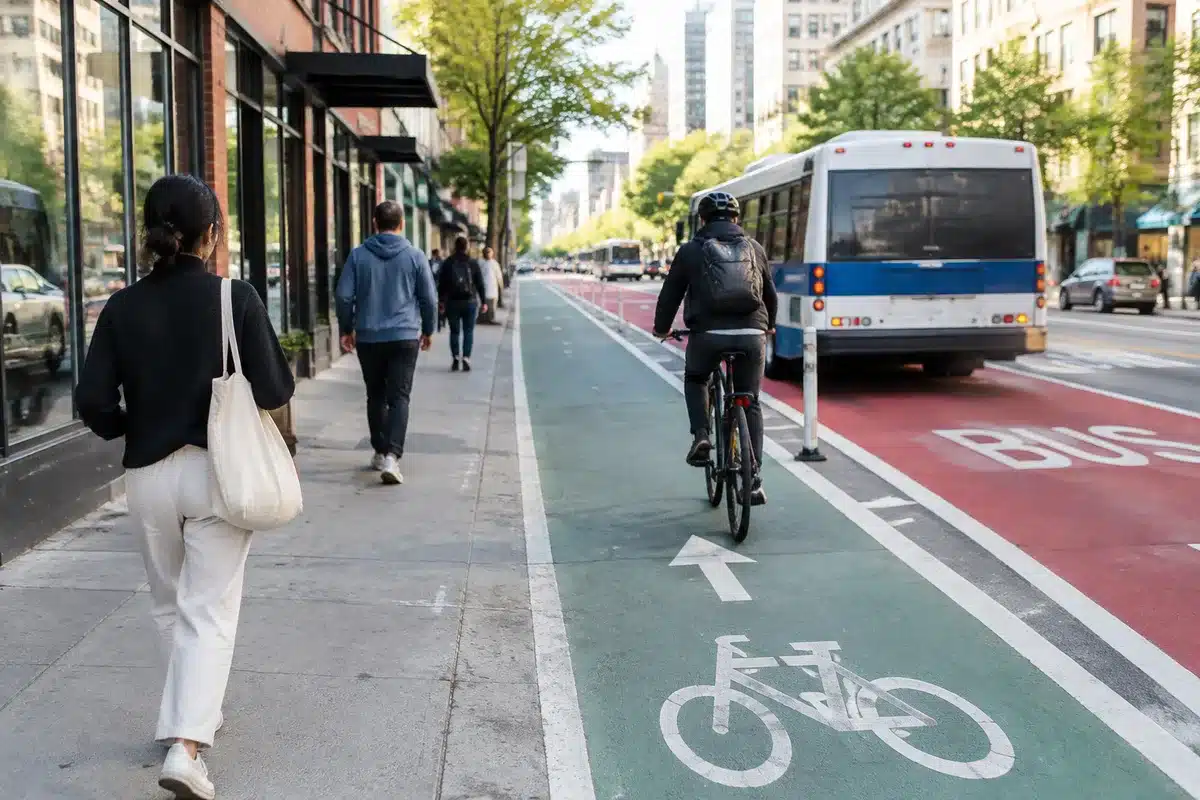
City centers once built for cars are being remade for new modes of travel. Planners now reserve lanes for bikes, scooters, and buses. Parking lots are converting into hubs for charging and shared mobility. Streets are no longer single-purpose corridors; they are flexible platforms for a range of transport choices.
- Dedicated lanes for micromobility reduce conflicts with cars.
- Pop-up bike lanes and pedestrianized blocks test longer-term changes.
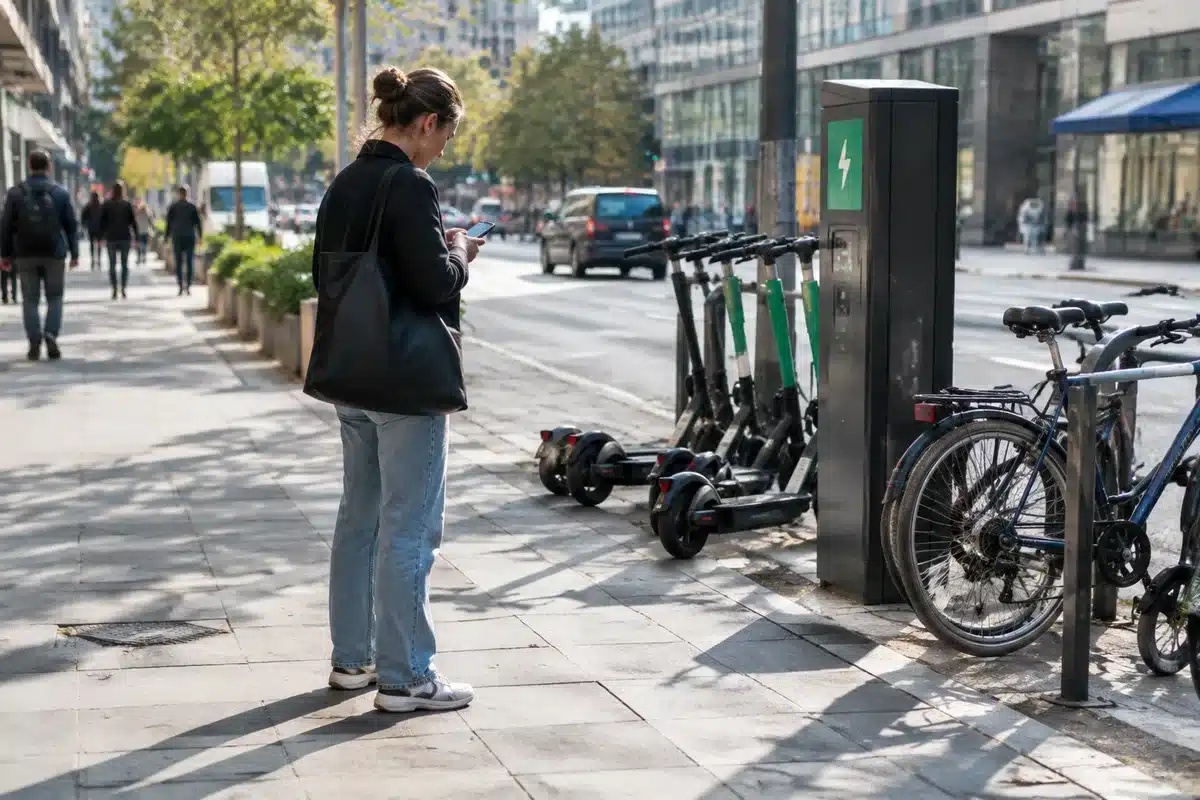
- Adaptive curb policies prioritize loading, ride-hail, and charging access.
100-mile mountain commute: the best cars to buy for safety and comfort
Trump nixes deal with Iran: oil prices surge, talks falter
Charging infrastructure: where cities stand and what’s next
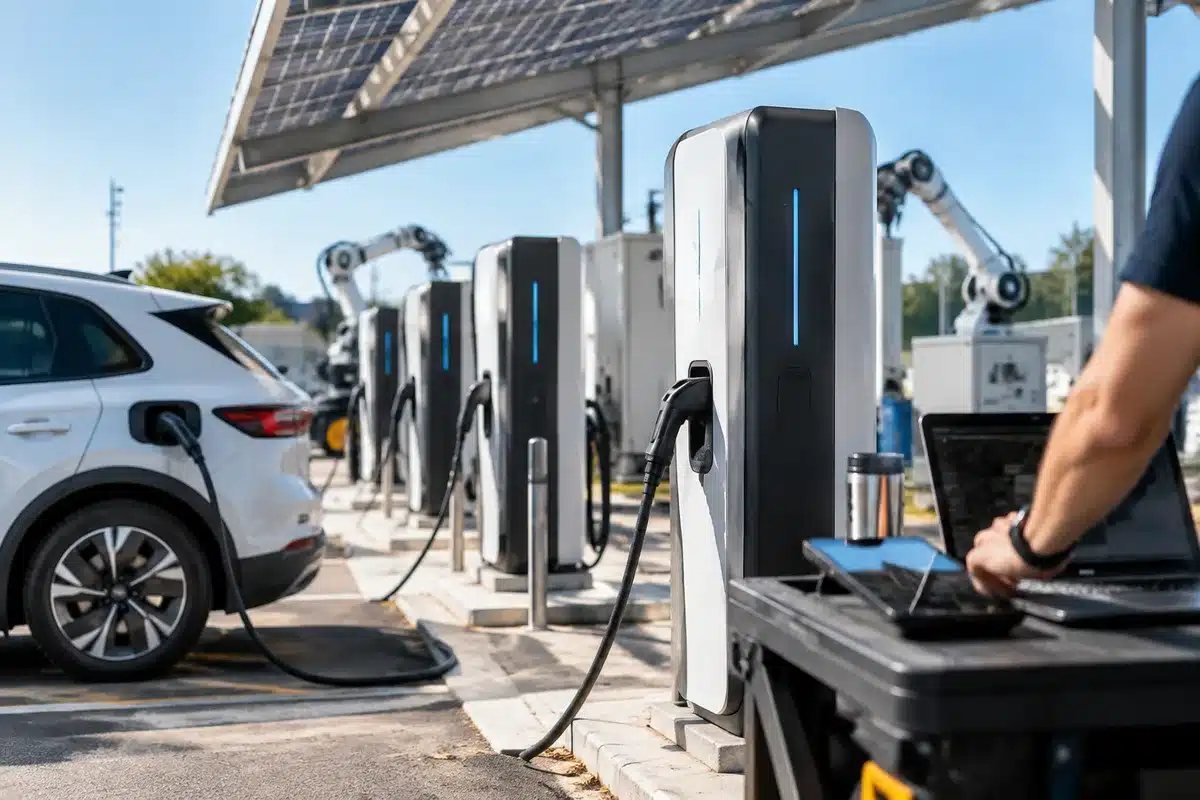
Charging remains the backbone of electric adoption. Cities vary widely in charger density, speed, and accessibility. Residents in multifamily buildings face the biggest hurdles. Planners and utilities are under pressure to roll out reliable networks.
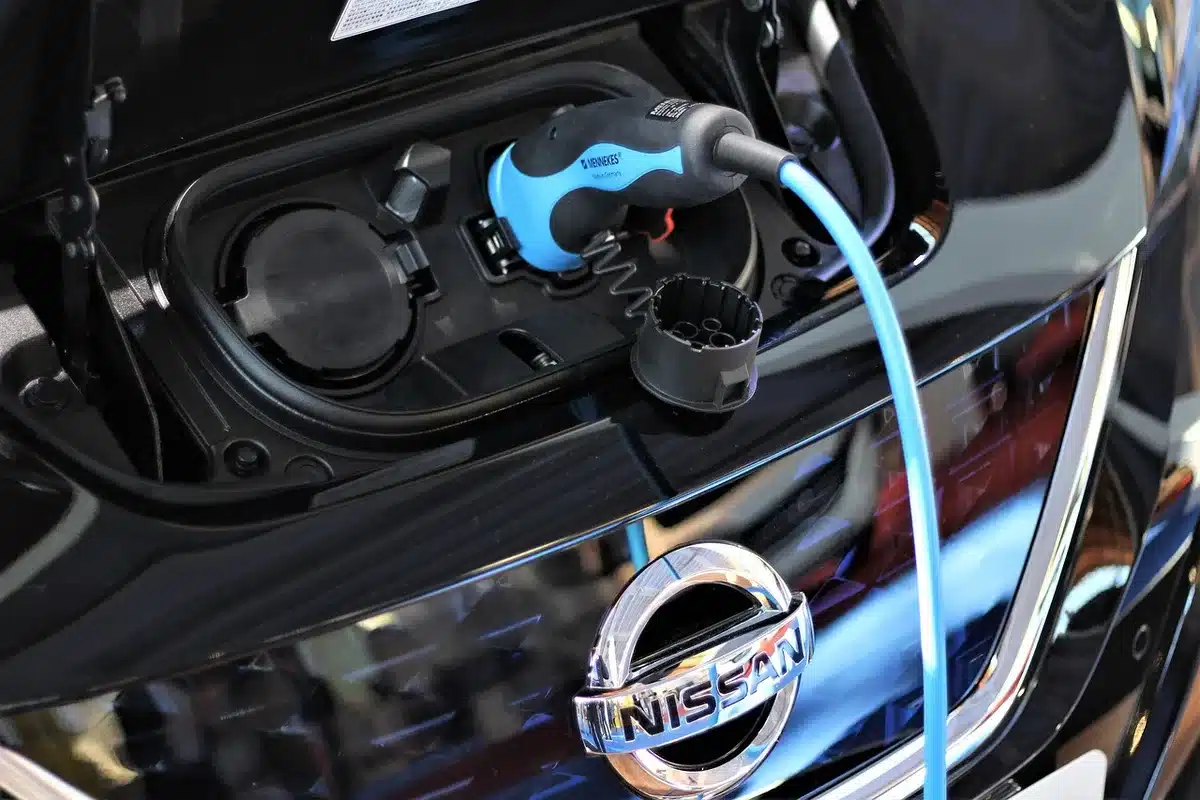
Types of charging being installed
- Level 2 chargers for overnight and workplace charging.
- DC fast chargers for quick top-ups along commuter routes.
- Wireless and curbside chargers being piloted in dense districts.
Barriers and solutions
- Grid upgrades are costly. Municipal bonds and grants are common fixes.
- Permitting delays stall installations. Streamlined processes speed projects.
- Equity concerns arise when chargers cluster in affluent neighborhoods.

Policy trends steering electric and micromobility growth
Local and national policies are shaping how fast cities adapt. Emission targets, vehicle bans, and subsidies guide markets. Many policymakers now use zoning, tax credits, and street rules to steer outcomes.
- Low-emission zones incentivize electrification of fleets.
- Subsidies and rebates lower the cost of electric cars and scooters.
- Regulatory sandboxes allow safe trials of new services.
Public-private partnerships are increasingly central. Cities provide space and permits. Companies offer capital and technology. That split can accelerate rollout without overburdening taxpayers.
Startups and legacy automakers: a new competitive landscape
Automakers and startups are both racing to capture market share. Legacy carmakers commit to electric lineups. Smaller firms focus on software, batteries, and micromobility fleets. Investors follow user metrics like ride frequency and charging behavior.
- Subscription models try to bundle vehicles, charging, and insurance.
- Fleet electrification reduces operating costs but demands new logistics.
- Battery innovation centers on cost, weight, and charging speed.
Data, safety, and public acceptance
Data from vehicles and devices informs planning. Cities use usage trends to place chargers and redesign streets. But that data raises privacy and security questions. Safety remains a major public concern for micromobility.
- Real-time data helps calibrate transit schedules and curb access.
- Clear rules on data use can build public trust.
- Enforcement and education reduce injury risk for riders and pedestrians.
What riders and commuters should watch
Everyday travelers can benefit from being informed. Look for local incentives and pilot programs. Expect more electrified shared options and fewer traditional parking spaces downtown.
- Check city portals for charging maps and rebate programs.
- Try shared electric options during short commutes to gauge convenience.
- Follow local planning meetings to influence curb and lane decisions.
Financial implications for cities and consumers
The switch to electric transport shifts costs. Upfront infrastructure spending is large. Long-term savings come from lower fuel costs and reduced maintenance. Municipal budgets must weigh immediate investments against future benefits.
- Grants and private capital often bridge initial funding gaps.
- Economies of scale lower vehicle costs as adoption grows.
- Equitable funding ensures underserved neighborhoods gain access.
Innovations that could change the next five years
Emerging technologies promise to speed change. Battery breakthroughs, vehicle-to-grid systems, and smarter urban design stand out. These developments could improve resilience and lower long-term costs.
- Vehicle-to-grid integration can stabilize local power systems.
- Advanced batteries may halve charging time in the near future.
- AI-driven traffic management optimizes curb use and reduces congestion.