Show summary Hide summary
- Core elements of the new urban mobility plan
- How the plan will affect daily commutes
- Environmental and public-health benefits
- Funding, governance, and rollout schedule
- Voices from the community and business groups
- Practical guidance for residents during construction
- What to watch for in the coming months
The city unveiled a large-scale mobility plan that aims to reshape daily commutes and cut emissions. Officials say the scheme will combine rapid bus corridors, protected bike lanes, and smarter traffic signals. Residents, planners, and transit advocates are watching closely as the rollout begins next month.
Core elements of the new urban mobility plan
The program centers on three pillars designed to reduce car dependency and speed up travel.
100-mile mountain commute: the best cars to buy for safety and comfort
Trump nixes deal with Iran: oil prices surge, talks falter

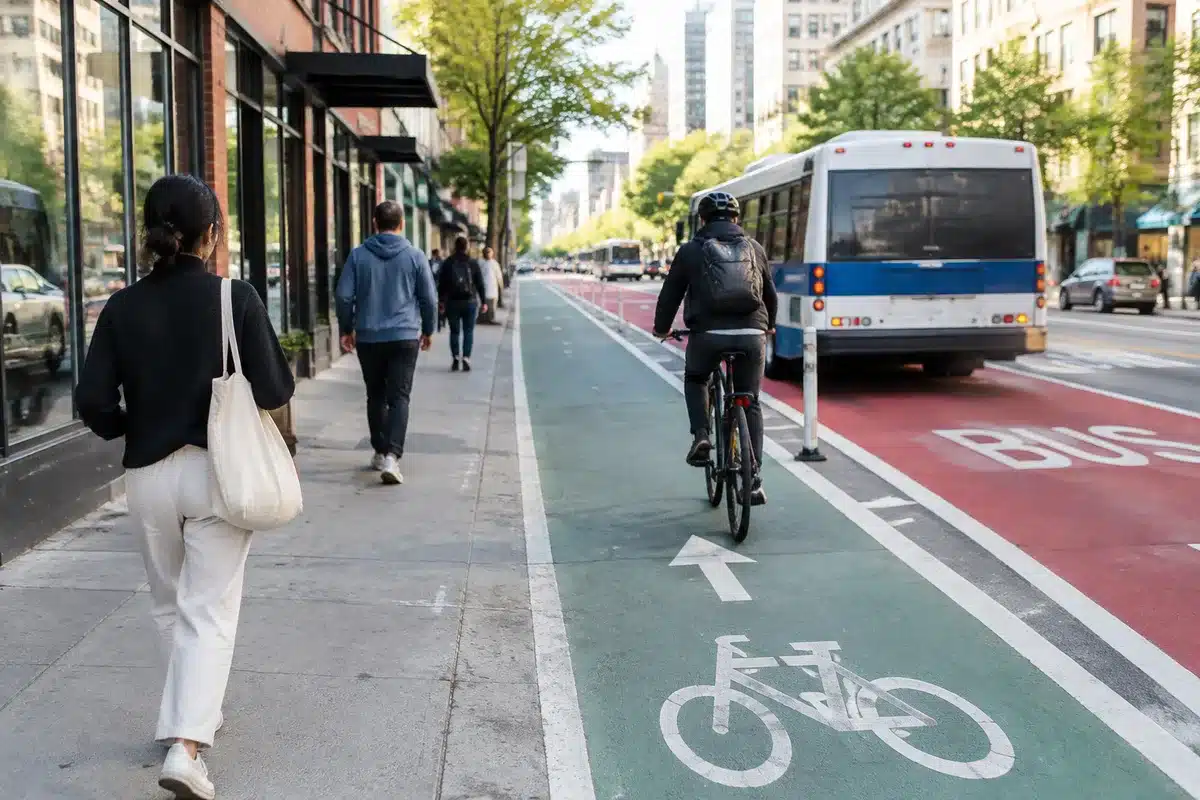
- High-capacity bus corridors running on dedicated lanes to avoid congestion.
- Expanded protected bicycle networks to connect neighborhoods with downtown areas.
- Adaptive traffic signaling that prioritizes public transport during peak hours.
How the plan will affect daily commutes
Commuters can expect shorter and more reliable trip times if the network performs as projected.
- Shorter wait times from increased bus frequency.
- Fewer unpredictable delays thanks to signal prioritization.
- Improved safety for cyclists with clearer lane separation.
Projected travel time reductions
City analysts estimate average rush-hour journeys could shrink by up to 20 percent on redesigned corridors.
Environmental and public-health benefits
Planners emphasize the plan’s potential to lower pollution and support active transport.

- Lower vehicle emissions as fewer single-occupancy cars circulate.
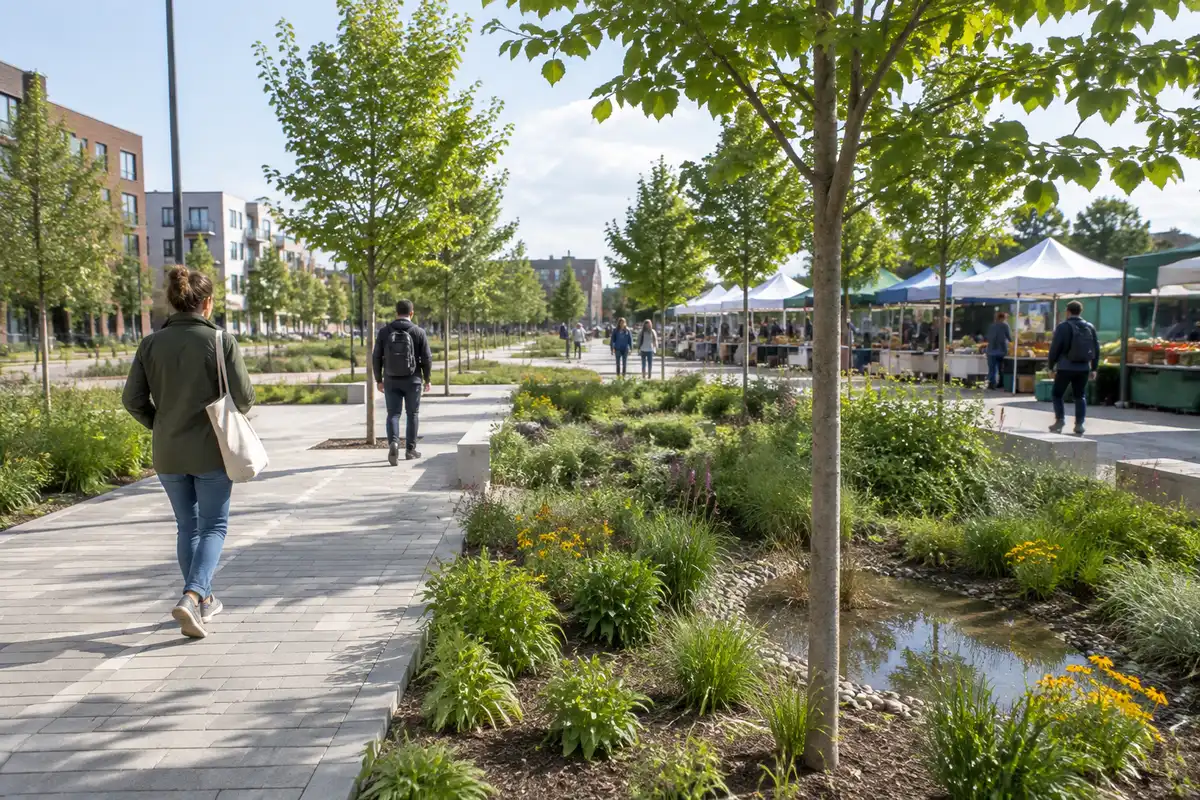
- Cleaner air in dense neighborhoods adjacent to transit routes.
- Health gains from increased cycling and walking.
Funding, governance, and rollout schedule
The project uses a mix of local bonds, regional grants, and private partnerships.
- Initial funding approval was secured through a municipal bond vote.
- Regional transportation grants will cover transit fleet upgrades.
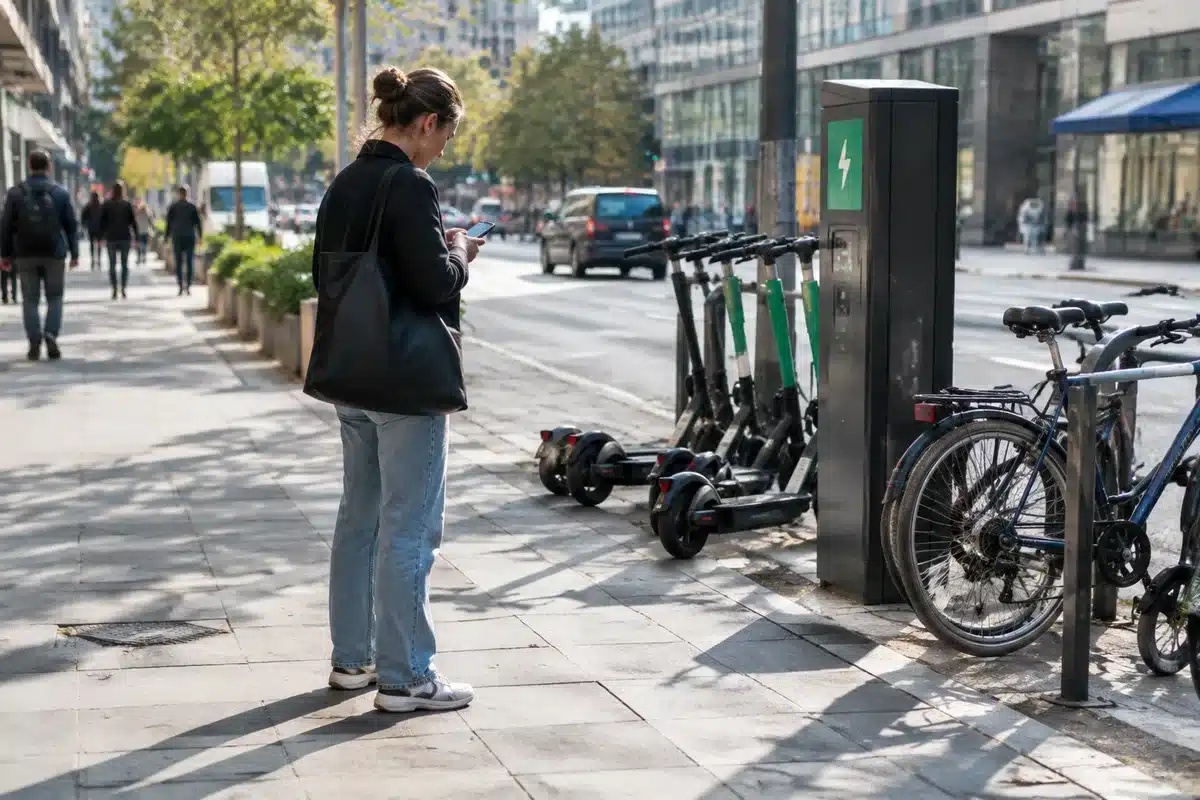
- Private investment will support last-mile shared-mobility services.
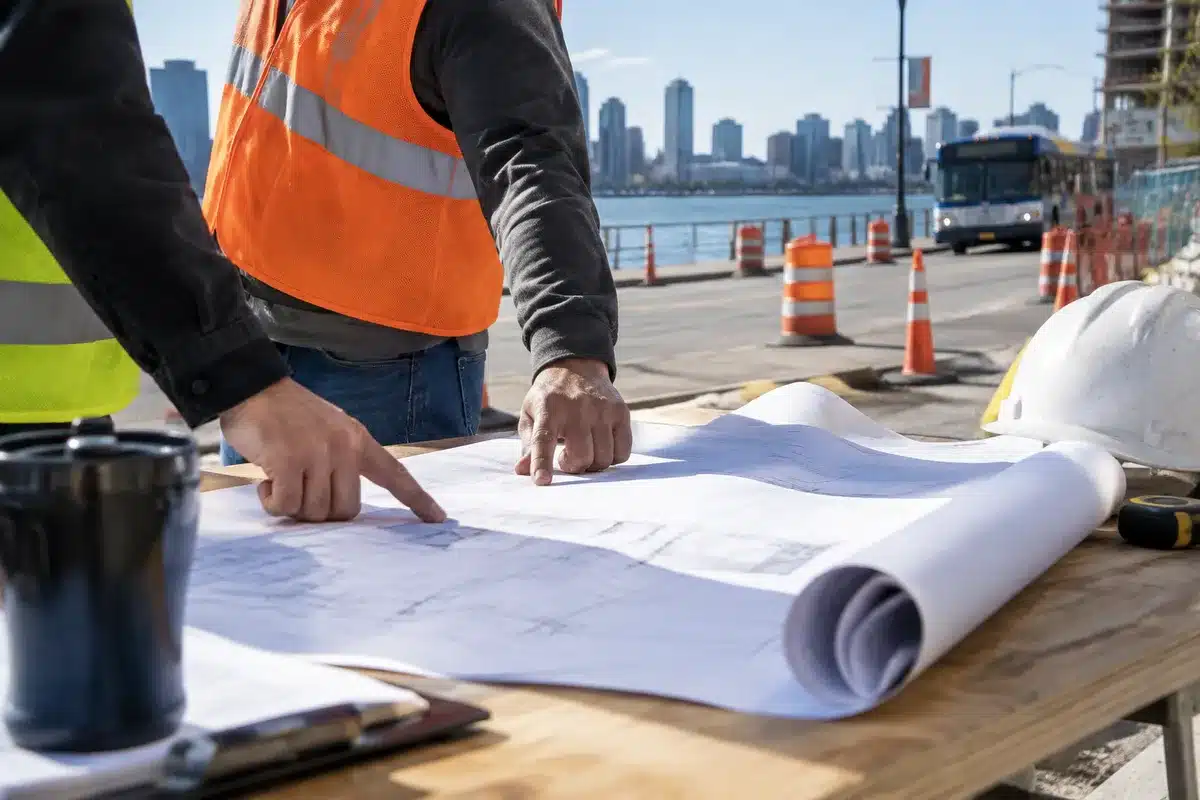
The first construction phase starts next month and continues in staggered blocks over two years.
Accountability and performance tracking
Officials commit to monthly public updates and a dashboard showing ridership, travel times, and emissions data.
Voices from the community and business groups
Reactions are mixed as stakeholders weigh short-term disruption against long-term gains.
- Transit advocates praise the plan’s emphasis on reliable bus service.
- Some drivers express concern about reduced car lanes in crowded corridors.
- Local businesses expect increased foot traffic but want assurances on delivery access.
What advocacy groups want
Nonprofits are calling for guaranteed affordability and protections for low-income riders.
Practical guidance for residents during construction
Officials offer tips to minimize disruption and adapt to new routes.
- Sign up for SMS alerts about lane closures and service changes.
- Test alternative bus lines and bike routes during off-peak hours.
- Use temporary park-and-ride locations if your usual route is closed.
Commuters are urged to plan ahead for the first six weeks of construction when detours will be most frequent.
What to watch for in the coming months
Key indicators will determine whether the plan meets expectations.
- Ridership growth on bus corridors and bike paths.
- Measured drops in travel times and emissions.
- Business revenue trends along affected streets.