
Show summary Hide summary
- Why urban EV adoption matters now
- Charging networks: the backbone of city electrification
- Policy tools that shape EV growth
- Grid resilience and smart charging strategies
- Public transit and commercial fleets go electric
- Designing streets for shared, low-carbon mobility
- Financing the transformation
- Lessons from early adopters
- What businesses and residents should expect
- Data, privacy and interoperability hurdles
Cities worldwide are racing to reshape transportation as electric vehicles move from niche to norm. Municipal leaders, utilities and automakers are piecing together policies and infrastructure to keep pace. That shift is creating winners, losers and urgent questions about equity, power grids and urban design.
Why urban EV adoption matters now
Electric vehicle growth in cities affects more than cars. It changes air quality, traffic planning and energy demand.
100-mile mountain commute: the best cars to buy for safety and comfort
Trump nixes deal with Iran: oil prices surge, talks falter
- Air and health: Cities with fewer tailpipe emissions see measurable improvements in air quality.
- Grid pressure: Rising EV charging needs require smarter energy management.
- Economic shifts: Jobs and investment follow new mobility patterns.
Charging networks: the backbone of city electrification
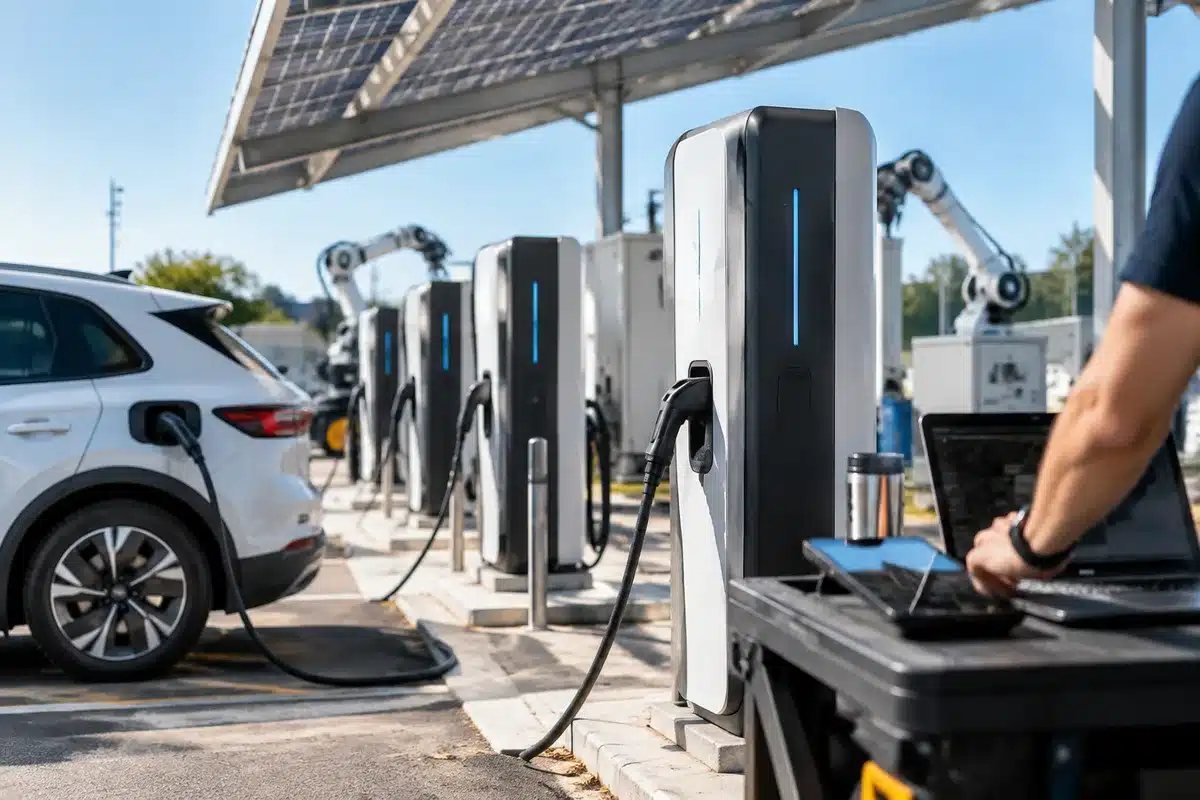
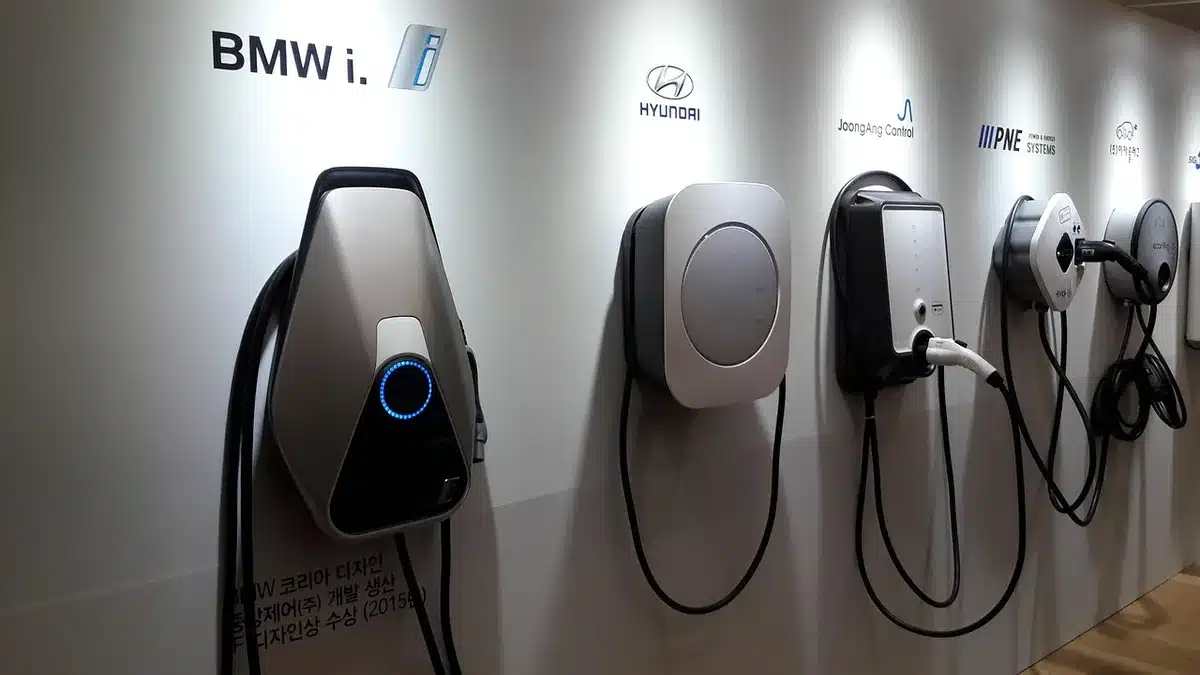
Public charging is crucial for residents without private garages. Municipalities are experimenting with tactics to expand access quickly.
Common approaches cities are using
- Installing curbside chargers in dense neighborhoods.
- Partnering with private firms to build fast-charge hubs.
- Retrofitting parking garages and transit stations.
To scale, cities balance deployment speed against long-term costs. Fast chargers attract drivers but can overload local circuits. Slower, distributed charging eases grid strain but may not meet demand peaks.
Policy tools that shape EV growth
Local rules and incentives steer how quickly communities adopt electric vehicles.
- Rebates and tax breaks for buyers.
- Building codes that require EV-ready wiring.
- Low-emission zones that favor electric buses and taxis.
Some cities pair incentives with targeted programs for low-income households. Equity measures reduce the risk that benefits flow only to wealthier neighborhoods.
Grid resilience and smart charging strategies
Utilities and cities must coordinate to keep the lights on as chargers proliferate.
Key technical and policy solutions
- Time-of-use pricing to shift charging away from peak hours.
- Vehicle-to-grid and managed charging pilots.
- Upgrades to transformers and distribution systems in hot spots.
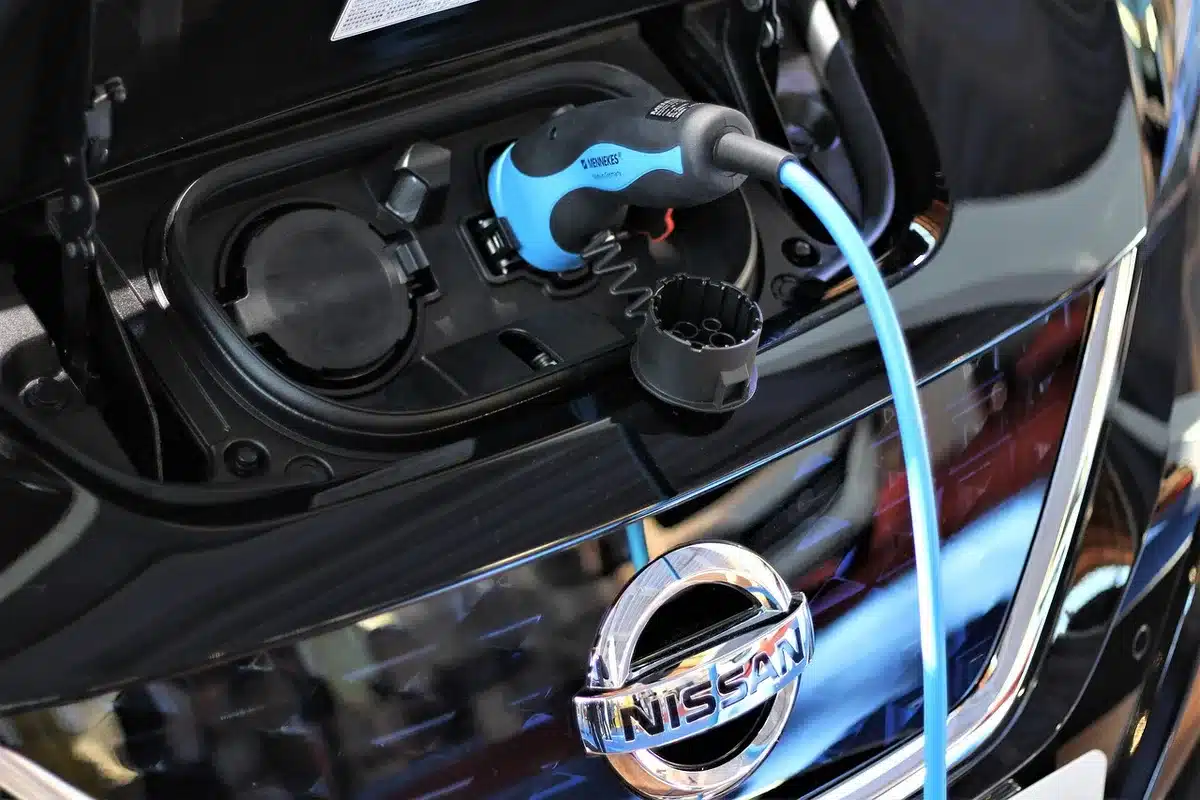
Managed charging can cut costs and lower emissions by syncing demand with renewable output. Yet implementation calls for standards, consumer trust and clear incentives.
Public transit and commercial fleets go electric
Municipal bus systems and delivery fleets are often early adopters. Their scale makes electrification impactful.
- Electric buses reduce operating noise and maintenance costs.
- Fleet electrification shifts fueling logistics to depot charging.
- Public procurement can spur local charging infrastructure.
Fleet conversions require upfront investment and careful planning. Cities that phase in electric buses and trucks tend to start with high-use routes and central depots.
Designing streets for shared, low-carbon mobility
From curb management to parking rules, urban design choices influence EV use.
Practical measures cities are adopting
- Prioritizing curb space for charging and shared vehicles.
- Reducing parking minimums to discourage solo car ownership.
- Integrating micromobility options with charging infrastructure.
Shifting focus from private cars to multi-modal systems can reduce congestion and expand access. Cities must balance convenience for drivers with public space for everyone.
Financing the transformation
Funding models vary by city and project type. Public-private partnerships are common.
- Grants and federal funds to seed infrastructure.
- Private investment in fast-charging networks.
- Municipal bonds for larger grid upgrades.
Transparent procurement and revenue models help projects attract private capital. Successful programs often blend public funding, grants and private partners.
Lessons from early adopters
Cities that started early offer practical lessons for scaling EV ecosystems.
- Start with equity-focused pilots to build public support.
- Coordinate transit, utilities and planning departments.
- Set measurable targets for charger density and fleet conversions.
Engaging residents and businesses early reduces surprises and speeds deployment. Clear data tracking helps refine policy and investment choices.
What businesses and residents should expect
Consumers will see more charging options at workplaces, curbside spots and shopping centers. Businesses will adapt delivery routes and fleet operations.
- New services around charging and energy management.
- Shifts in real estate value tied to EV readiness.
- Opportunities for startups in software and battery services.
Adoption will be uneven across neighborhoods. Policymakers must aim to reduce gaps in access and affordability.
Data, privacy and interoperability hurdles
Smart charging systems raise questions about data sharing and standards.
- Interoperable payment and access systems improve user experience.
- Data on charging patterns helps planning but must protect privacy.
- Open standards reduce vendor lock-in and lower costs.
Municipalities that set clear data rules and technical requirements can accelerate deployment while protecting consumers.