Show summary Hide summary
- Key elements of the green transit proposal and what they mean
- How much it will cost and where the money will come from
- Expected benefits for commuters and daily travel
- Environmental targets and measurable outcomes
- Political reactions and community feedback
- Implementation timeline and near-term milestones
- Operational challenges and how the city plans to address them
- Technology, data, and the role of smart mobility
- What to watch next and upcoming decision points
City officials unveiled a sweeping plan Tuesday to overhaul public transit, aiming to cut emissions and ease congestion across the metropolitan area. The proposal pairs investment in electric buses with fare changes and new bike lanes, and it has already stirred debate among commuters, environmental groups, and business leaders.
Key elements of the green transit proposal and what they mean
The plan centers on three pillars: cleaner vehicles, expanded service, and street redesigns. Officials say the goal is to make sustainable travel the default choice for more residents.
100-mile mountain commute: the best cars to buy for safety and comfort
Trump nixes deal with Iran: oil prices surge, talks falter
- Electric fleet replacement: Phasing in electric buses over eight years.
- Service expansion: New routes and higher frequency on busy corridors.
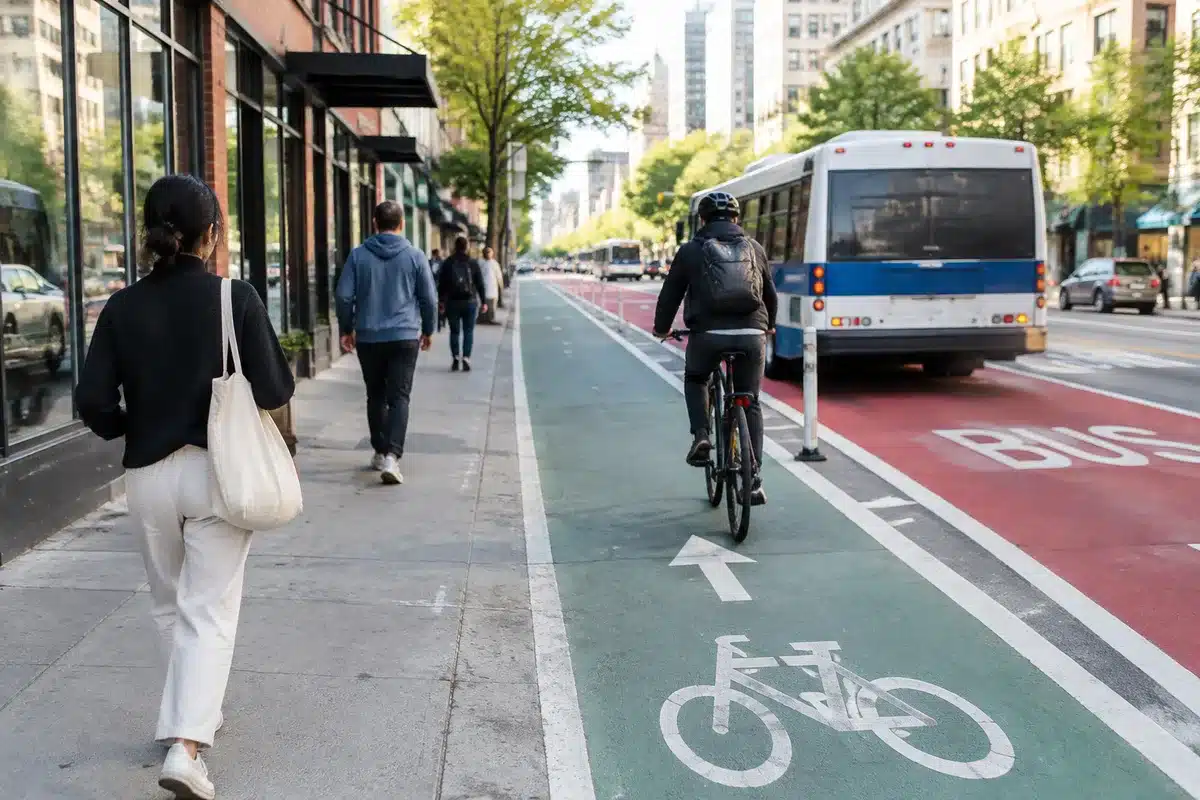
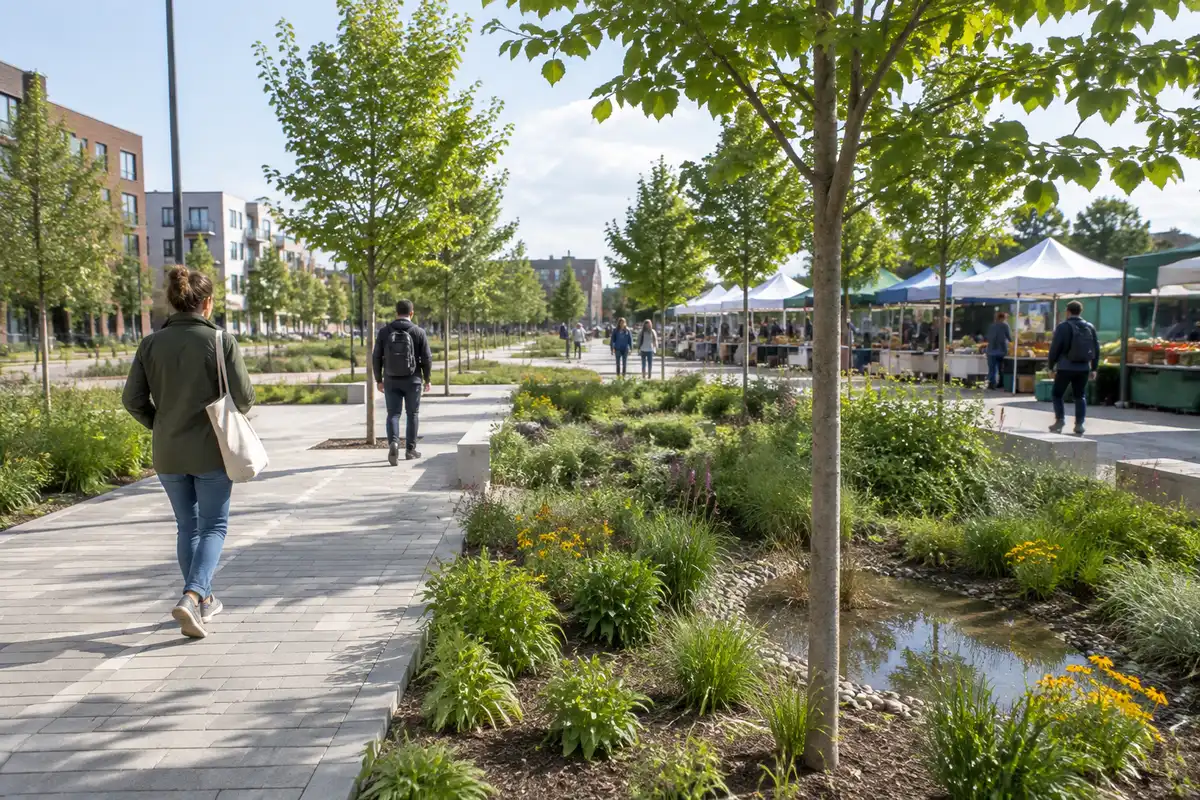
- Active transit infrastructure: Protected bike lanes and widened sidewalks.
How much it will cost and where the money will come from
City leaders estimate the price tag at roughly $1.2 billion. Funding will mix local bonds, state grants, and a federal climate program.
Funding sources broken down
- Local bond issuance: 40% of the budget.
- State transit grants: 30% targeted for zero-emission vehicles.
- Federal climate funds: 20% for infrastructure upgrades.
- Public-private partnerships: 10% for technology and maintenance.
Officials plan to present a detailed financing schedule at next month’s council meeting. Transparency in spending was emphasized as a priority.
Expected benefits for commuters and daily travel
Planners project shorter wait times and more direct connections for subway and bus riders. Reduced idling and smoother traffic flow should cut average commute times.
- Frequency improvements on 12 core routes.
- Night and weekend service boosts in underserved neighborhoods.
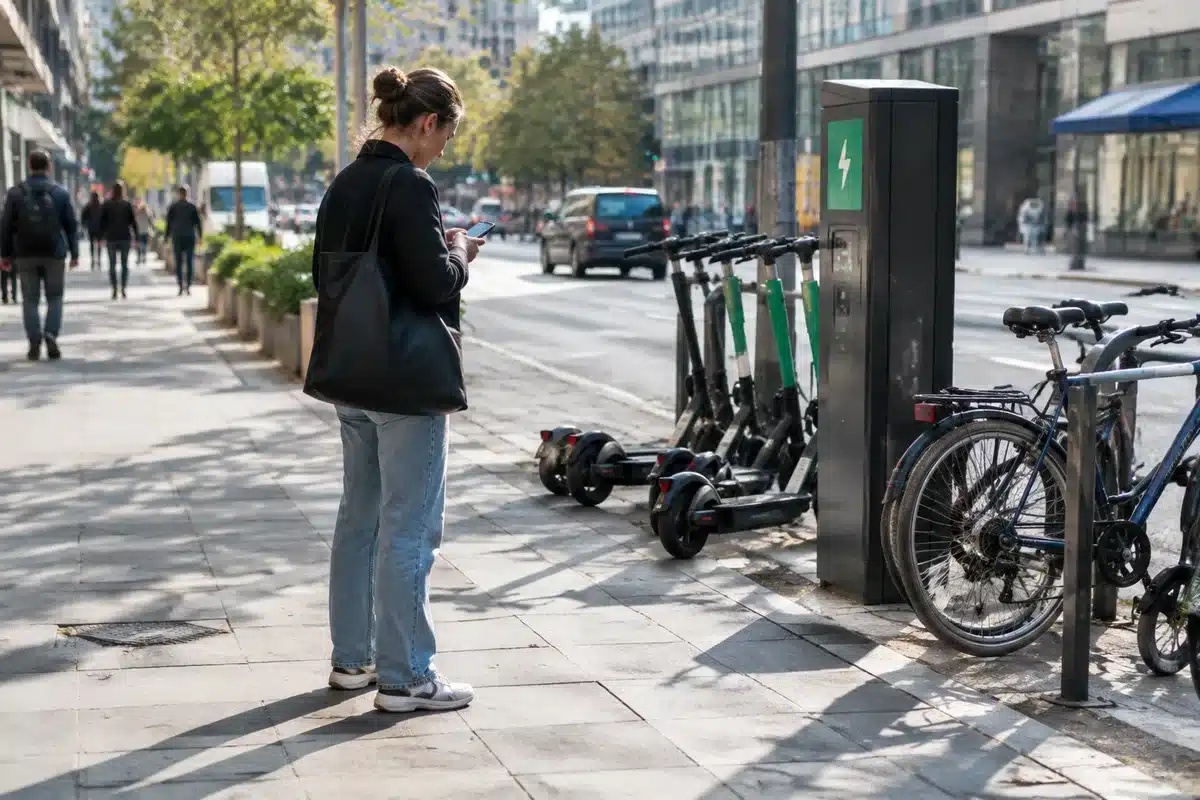
- Improved first- and last-mile links with bike-share stations.
For many residents, the promise is less time stuck in traffic and a more reliable ride.
Environmental targets and measurable outcomes
The city has set concrete goals: a 35% reduction in transit-related emissions by 2030 and full fleet electrification by 2032. Planners will track air quality improvements and greenhouse gas cuts.
- Emission reduction target: 35% by 2030.
- Fleet target: 100% zero-emission buses by 2032.
- Additional metrics: PM2.5 levels and noise footprint.
Political reactions and community feedback
The proposal won support from environmental groups but drew questions from some business owners. Critics worry about construction disruption and the impact on delivery logistics.
- Environmental advocates: praise for ambition.
- Small businesses: concerns about curb access during construction.
- Labor groups: calls for protections and retraining for maintenance staff.
City council members signaled a willingness to amend the plan after public hearings. Community input will shape final decisions, officials said.
Implementation timeline and near-term milestones
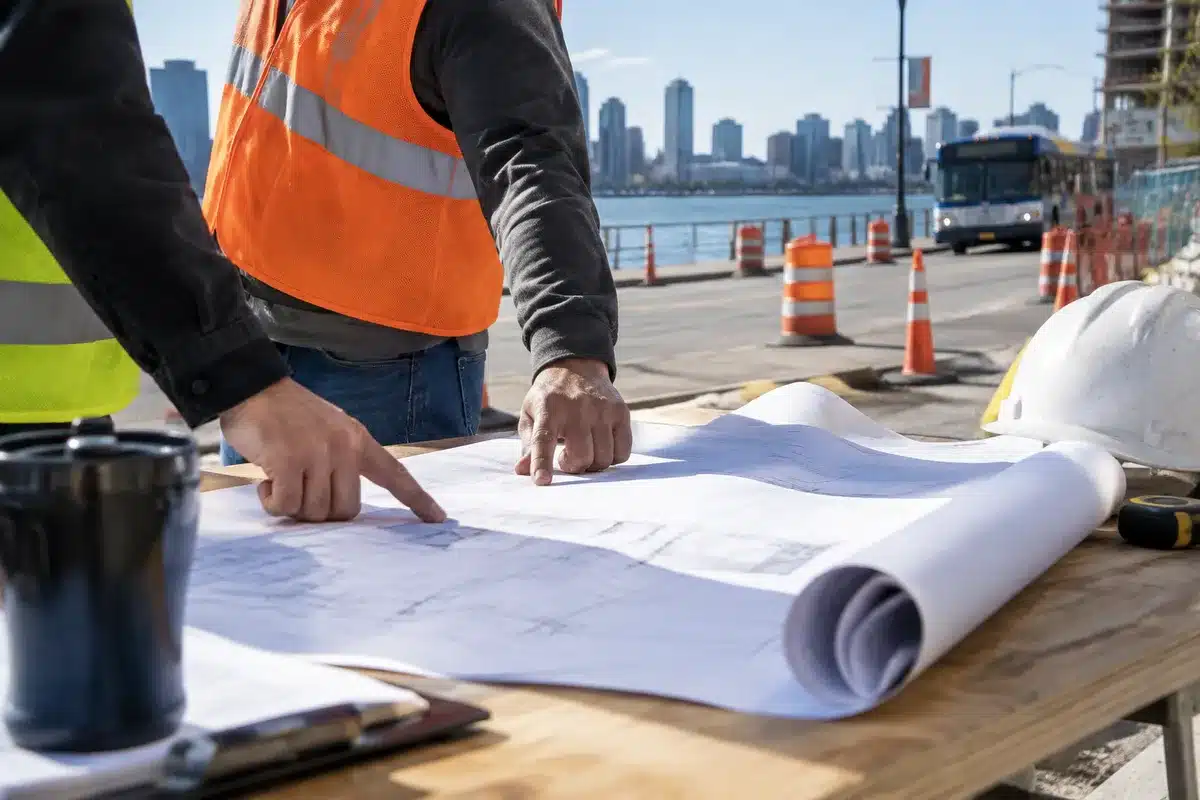
The plan lays out phased rollouts with several near-term actions this year. Routes will be reconfigured and pilot electric buses will start service in selected corridors.
- Quarter 1: Finalize procurement and begin pilot deployments.
- Quarter 2–3: Launch street redesign pilots and expand bike lanes.
- Year 2: Broader fleet replacements and expanded service hours.
Operational challenges and how the city plans to address them
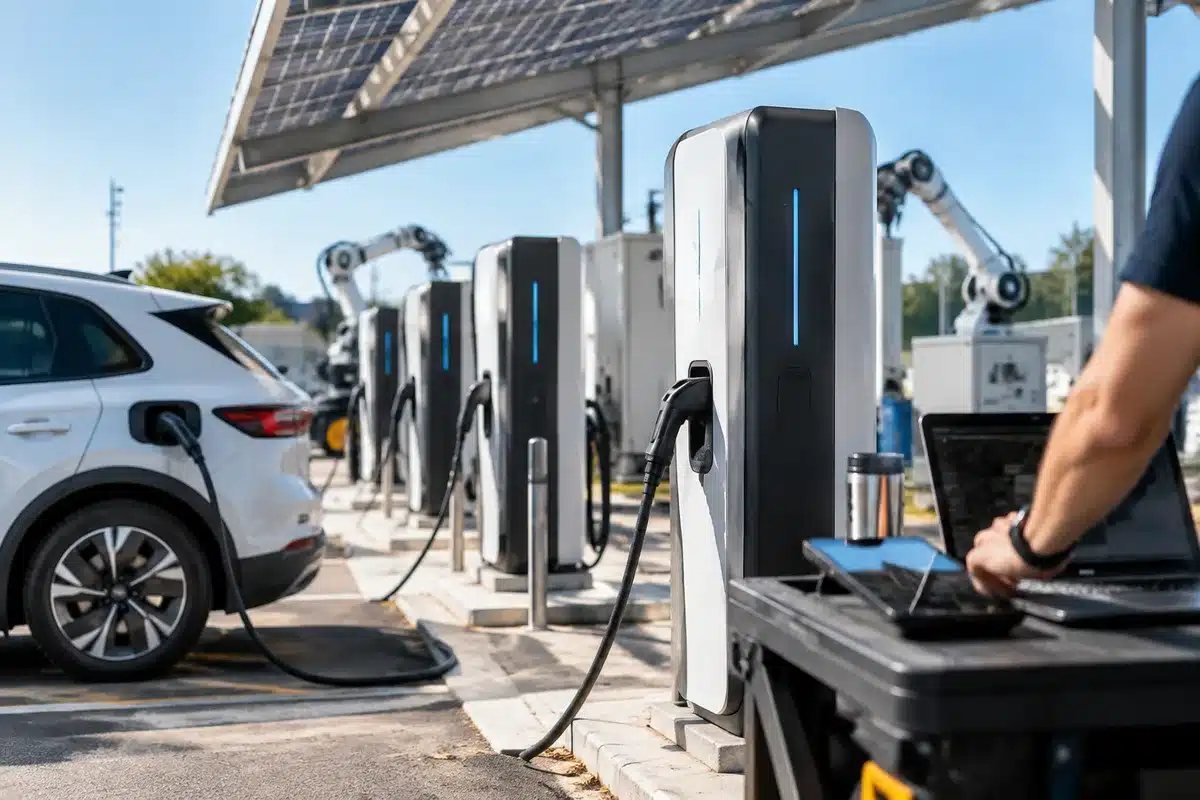
Officials acknowledge supply chain delays for vehicle parts and the need for more charging infrastructure. They propose streamlined permitting and targeted workforce training.
- Charging network: build public and depot chargers.
- Permitting: a fast-track process for curb and lane changes.
- Workforce: retraining programs for transit mechanics and drivers.
Technology, data, and the role of smart mobility
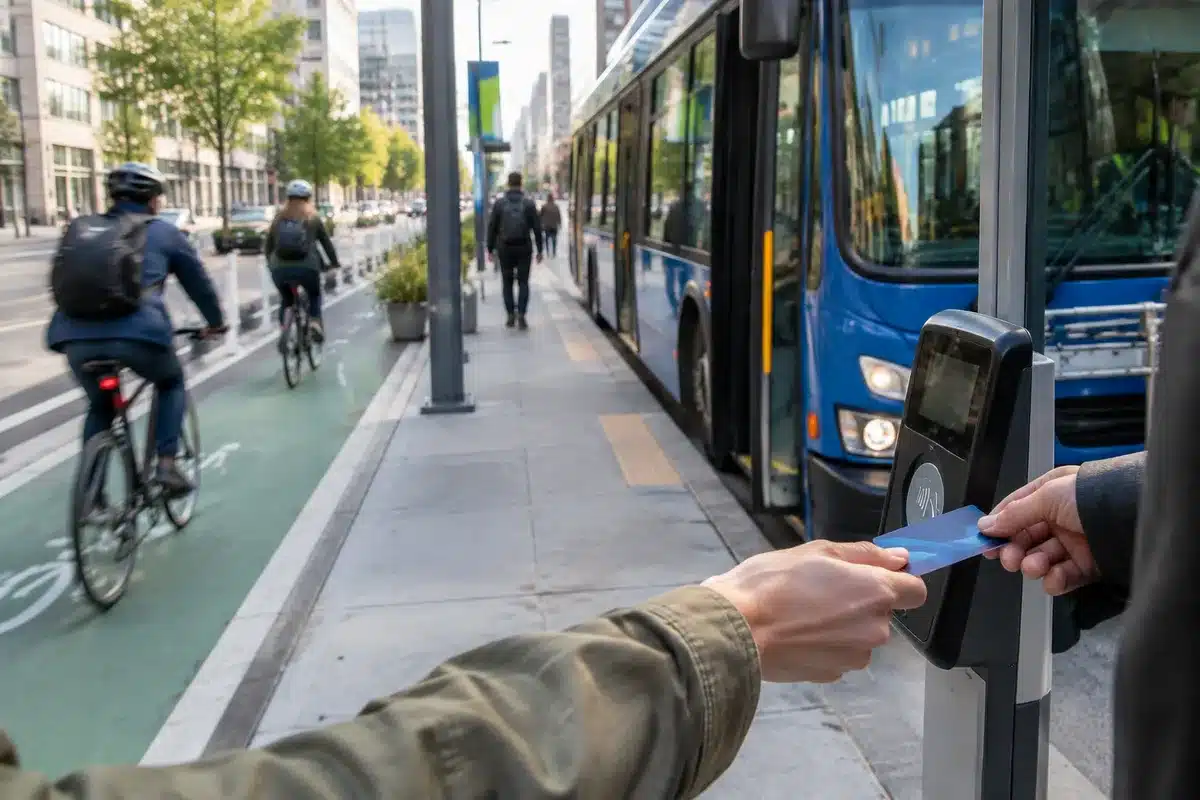
Smart scheduling and real-time arrival systems are core to improving rider experience. The plan includes investments in data platforms to monitor service and optimize routes.
- Real-time apps for accurate arrivals.
- Adaptive signal control to prioritize buses at intersections.
- Data dashboards to track performance and usage patterns.
What to watch next and upcoming decision points
Council votes and public hearings scheduled over the next two months will decide whether the plan advances as proposed. Watch for adjustments tied to financing and community requests.
- Public hearings: dates set for next month.
- City council vote: projected within 60 days.
- Stakeholder meetings: ongoing through the public engagement phase.